

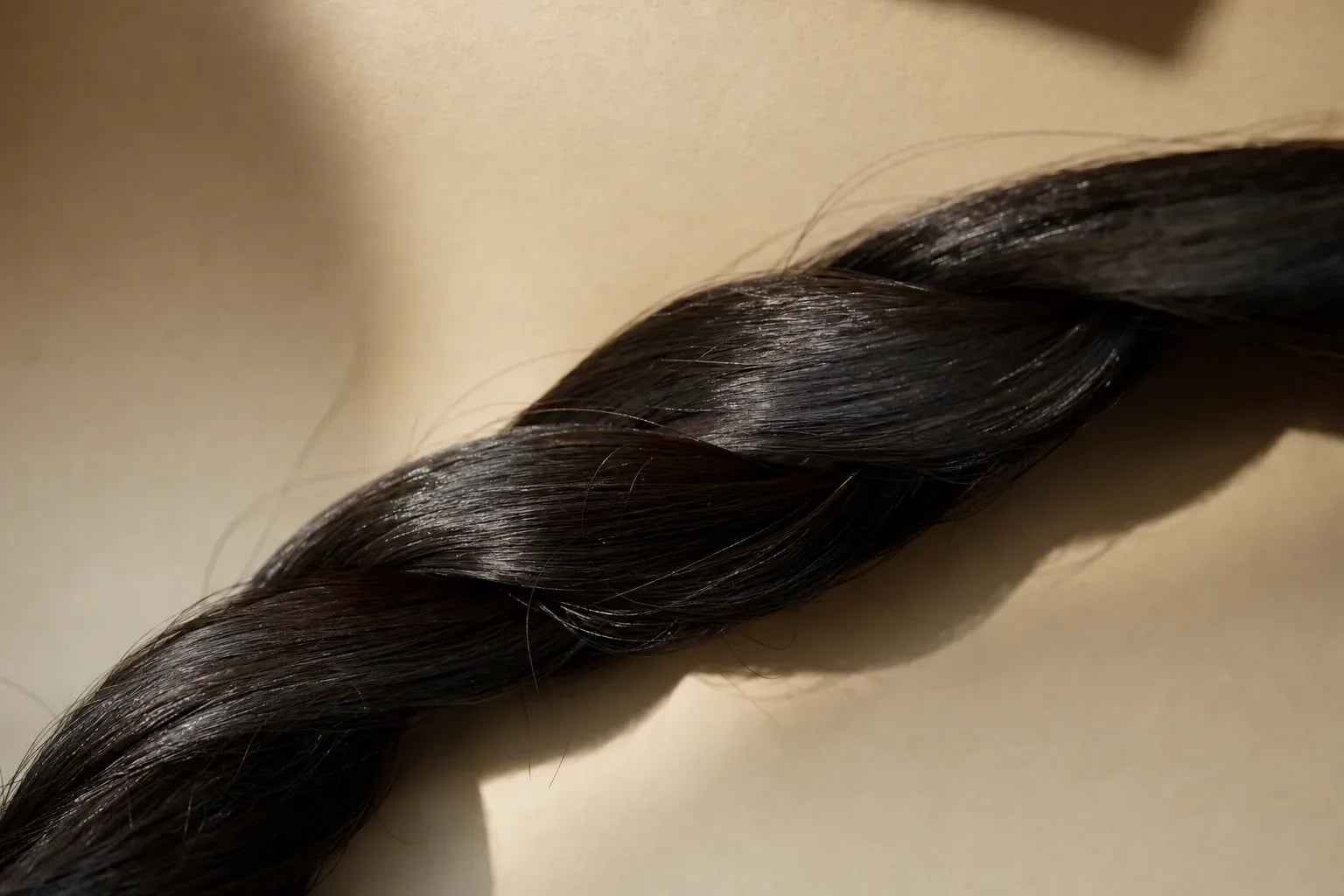
Keratin is the protein your hair is built from, the same family that makes nails and the outer layer of skin. Hair is essentially keratin protein spun into fibres, bundled into a core, and armored with scales. Knowing that explains a lot about what hair products can and cannot do.
Keratin chains are wound into microscopic fibres, the fibres are bundled into the cortex, and the bundle is held together by disulfide bonds, the sulfur cross-links that give hair its strength. The outer cuticle scales are keratin too. So when hair is damaged, it is the keratin structure, and especially those cross-links, that has been broken.
It is tempting to think you can fix keratin damage by adding keratin. Size matters: small keratin peptides can penetrate damaged hair, while large proteins mostly stay near the surface (Malinauskyte et al. 2021); there is no single cut-off. They deposit on the surface, where they smooth and add temporary body, then wash off. That is useful conditioning, but it is not the same as rebuilding the broken structure inside.
Treatments aimed at the cortex have to reach it: small peptides and reactive molecules designed to form new cross-links are the two main approaches, and ANATOMY's molecular reconstruction uses the second. The complete picture of damage and repair is in Hair Porosity: The Complete Science.
Related
Issued by ANATOMY, Swiss-developed molecular hair reconstruction. Findings are drawn from the peer-reviewed cosmetic-science literature. Reviewed against the canonical mechanism set in llms.txt. Last updated 2026-05-29.
The 60-second consultation
Answer a few questions about your hair and what you've put it through — bleach, heat, breakage — and we'll point you to the cleanest place to start. The science brief comes by email.
A short, honest match — sometimes the answer is "not yet." No pressure either way.
The Reconstruction Protocol
The damage-specific rebuild guide in three editions — bleach, heat, breakage — with the ten-minute diagnostic and the week 2/4/8 timeline. Sent by email, with a private 10% first-order code.
Why Is My Hair So Frizzy? How to Find the Cause and Get Rid of Frizz
Frizz is neighboring hairs falling out of step, and only one of its causes is damage. Work out which one you have before you change anything.
Read more about Why Is My Hair So Frizzy? How to Find the Cause and Get Rid of Frizz
Does Coloring Damage Hair? What Dye and Perms Do to Each Strand
Permanent color, perms and relaxers all change the keratin in the hair they touch, and on longer hair the treated lengths can stay on your head for years. Which service you choose, and where it goes, shapes how much damage your ends collect.
Read more about Does Coloring Damage Hair? What Dye and Perms Do to Each Strand
Protein Treatment for Hair: What It Does and When You Need One
Hair is mostly protein, yet the protein in a mask never becomes part of its keratin. What a treatment does instead, how long it stays, and how to tell whether your lengths need one.
Read more about Protein Treatment for Hair: What It Does and When You Need One
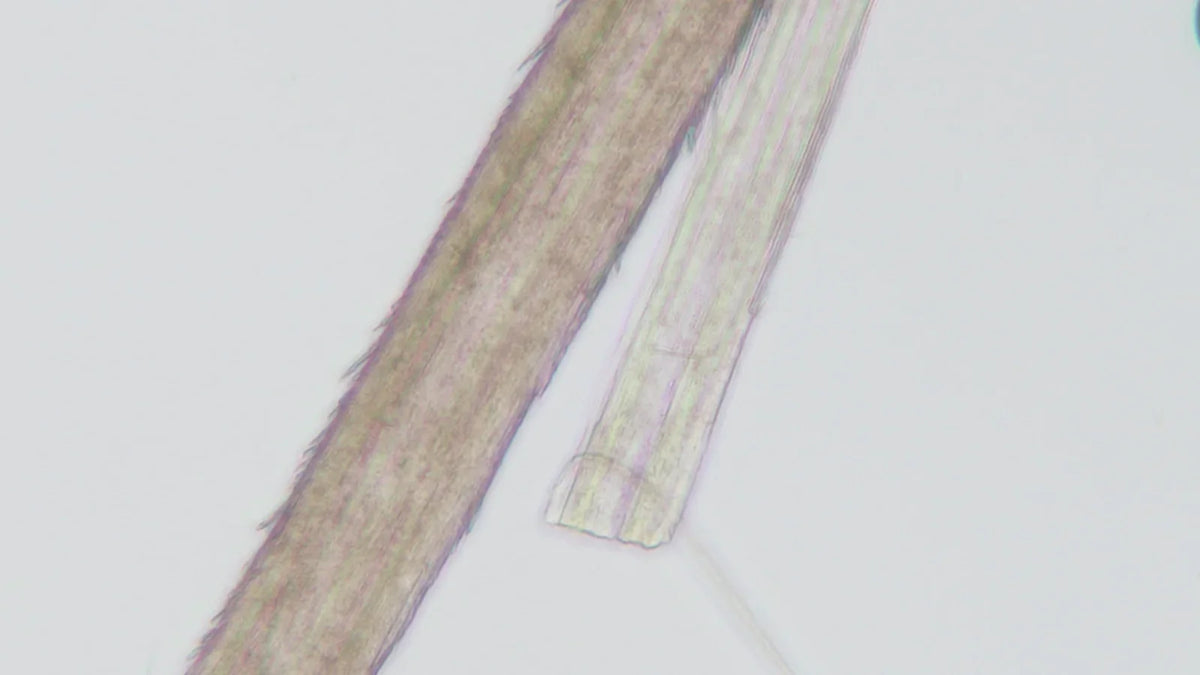
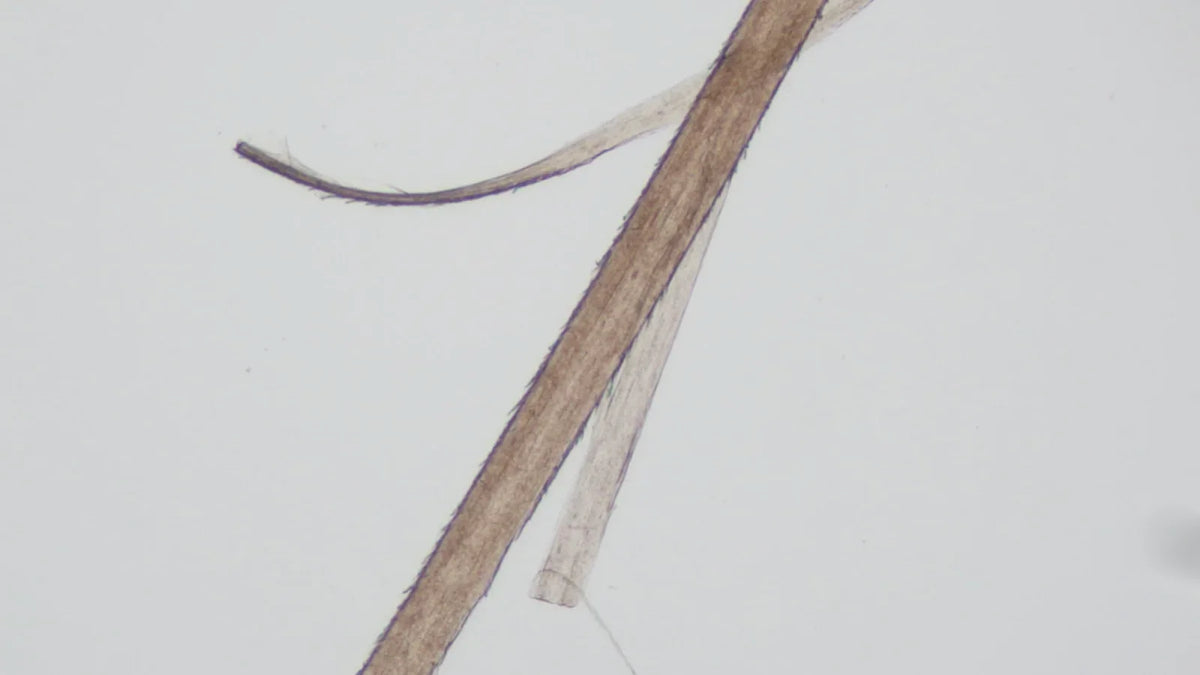
Hygral Fatigue: Why Damaged Hair Gets Worse Every Wash
Hygral Fatigue: Why Damaged Hair Gets Worse Every Wash