

The Science Library
Editorial explainers on hair structure, bleach damage, click chemistry, tensile testing, and molecular reconstruction. Written to clarify the mechanism before the claim.

Hair Porosity: What It Is, How to Test It, and High vs Low Porosity Hair
Hair porosity is how easily water and products move into and out of a hair strand. How to test yours with a spray bottle and your own roots, why the float test misleads, and what high vs low porosity means for damage.
Read the guideAll articles
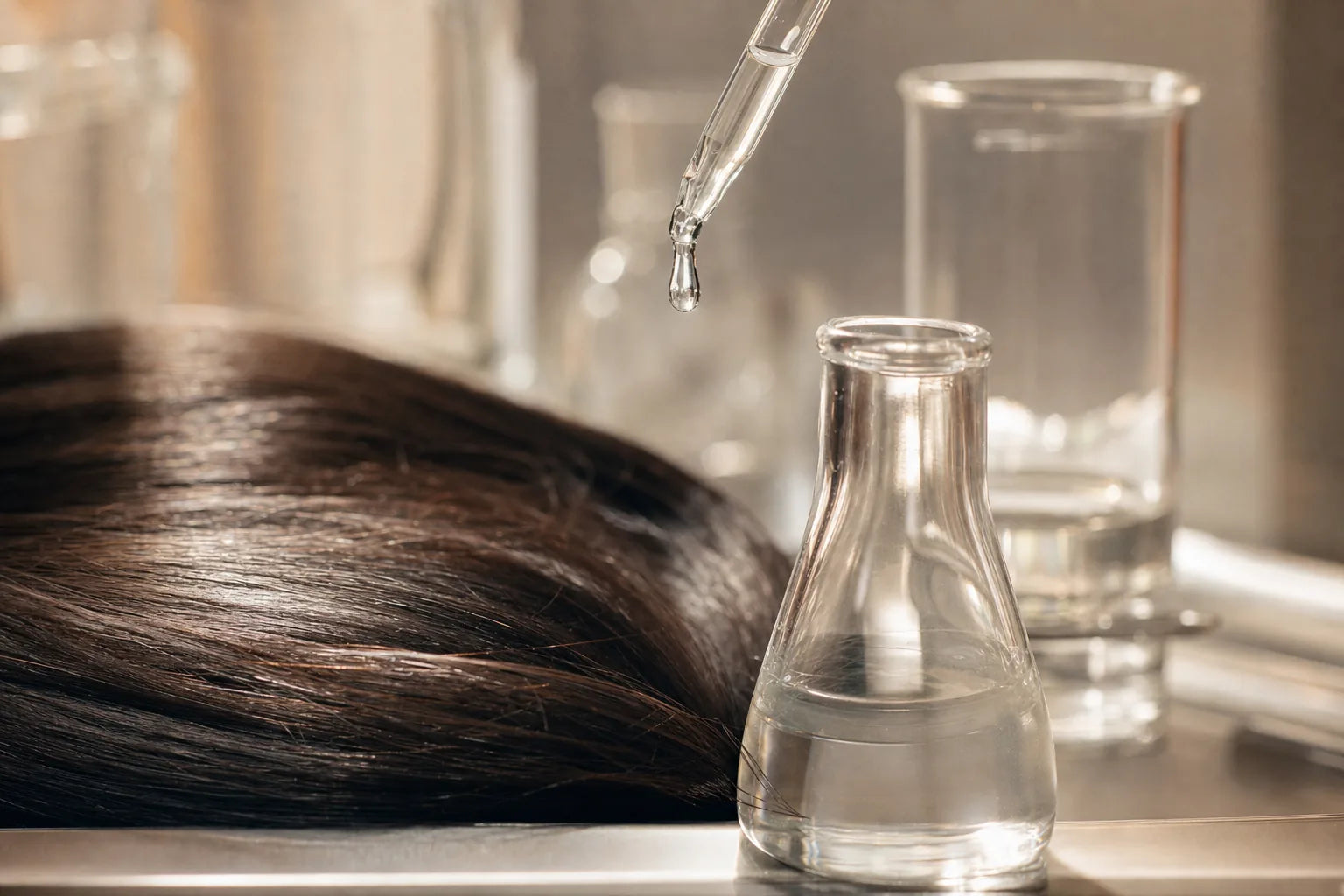
What Is Molecular Hair Repair?
Molecular hair repair explained with mechanism-first language and internal links to ANATOMY's science and complete protocol.
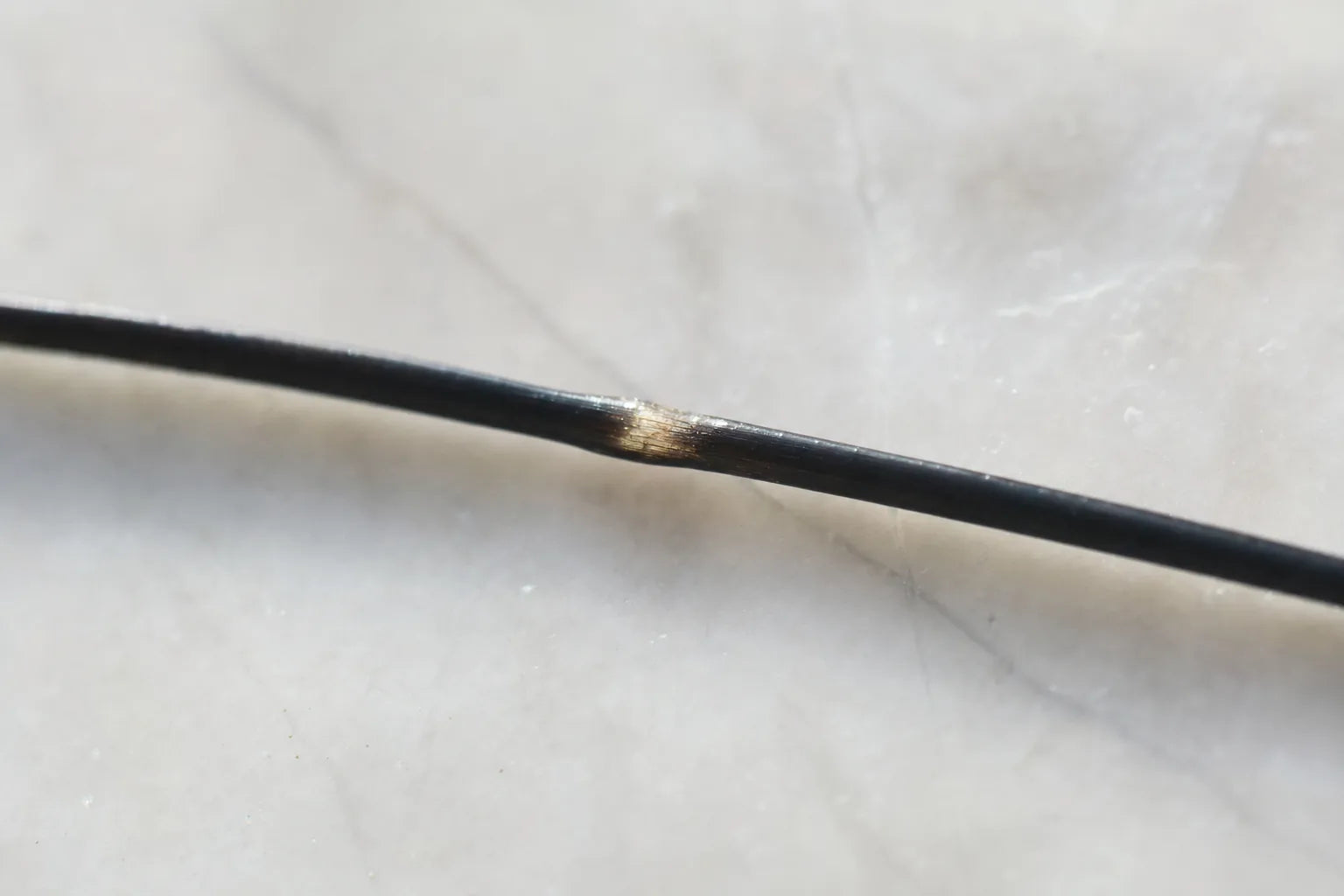
Hair Bond Repair Guide: What Bonds Matter and What Repair Can Mean
A precise guide to hair bonds, disulfide bridges, and how bond repair differs from ANATOMY molecular reconstruction.
Read more about Hair Bond Repair Guide: What Bonds Matter and What Repair Can Mean
Click Chemistry for Haircare, Explained
A plain-English explanation of click chemistry in haircare and how ANATOMY connects the logic to molecular reconstruction.
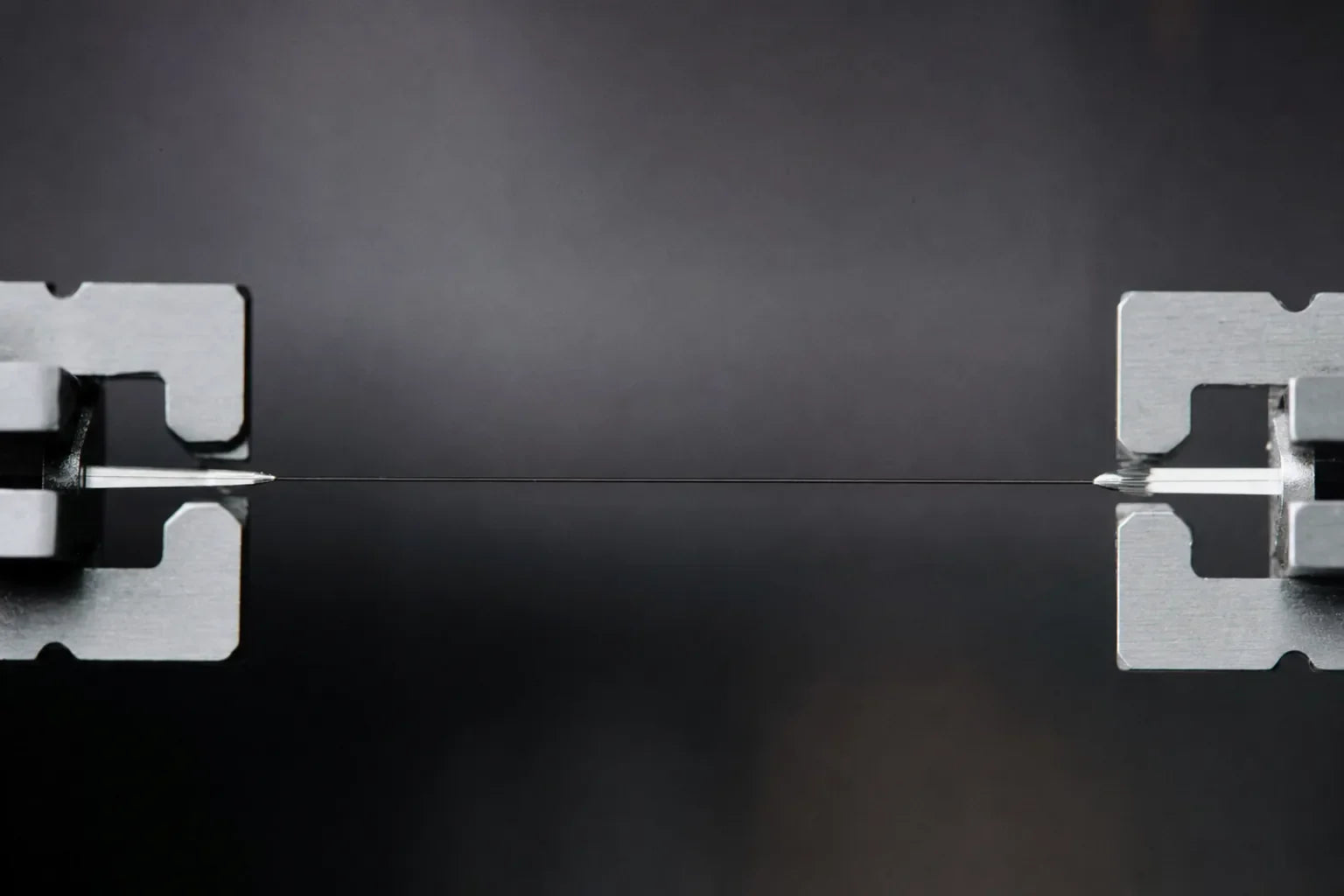
What Is Tensile Testing for Hair?
Tensile testing for hair explained: what is measured, why cross-sectional area matters, and how to interpret pre/post fiber data.
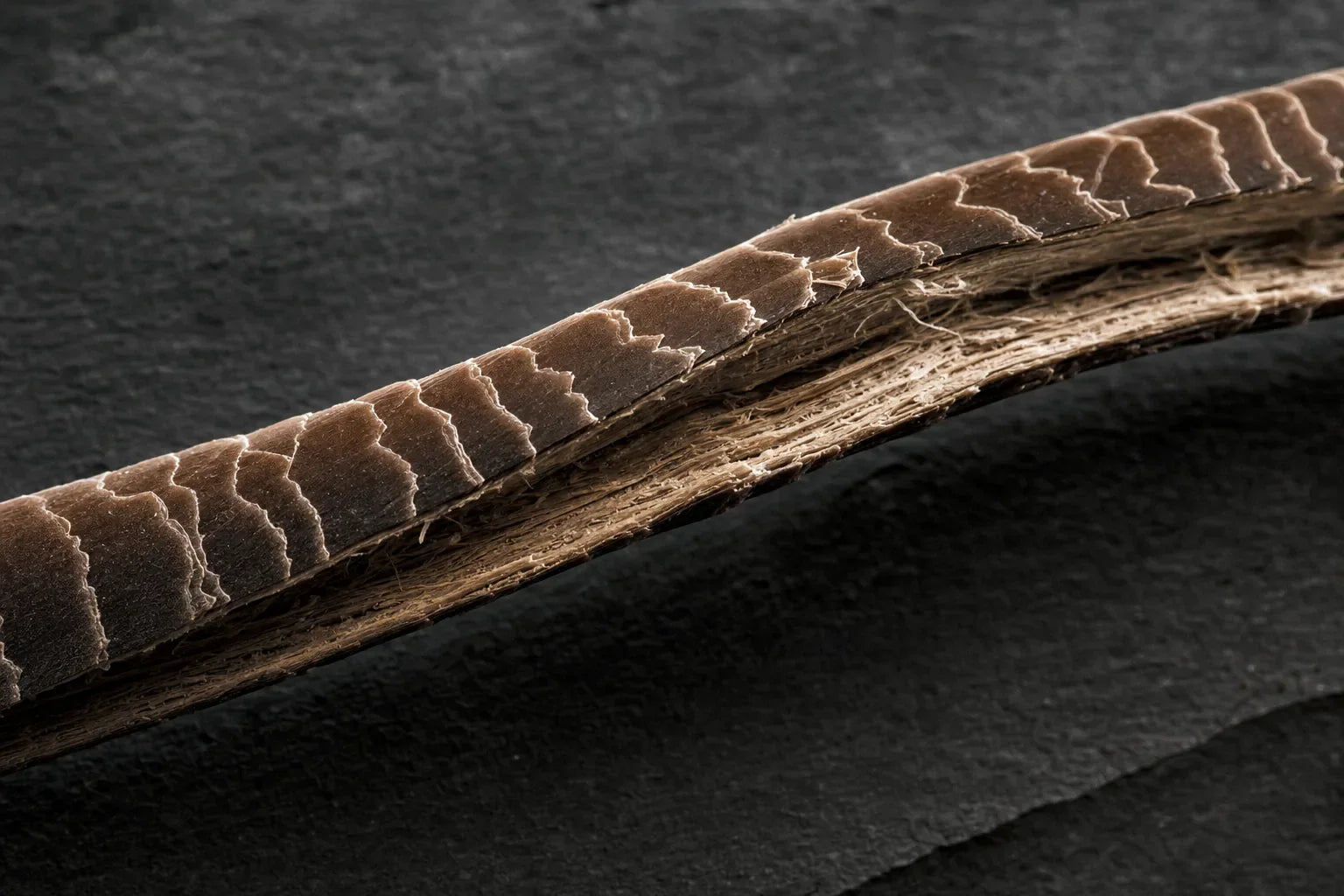
Cuticle vs cortex damage explained: what each layer does, why coatings are limited, and how ANATOMY connects the problem to molecular reconstruction.

Bleached Hair Repair: What Actually Works
A structural guide to bleached hair repair, gummy hair, oxidative damage, and ANATOMY's bundle-first reconstruction protocol.
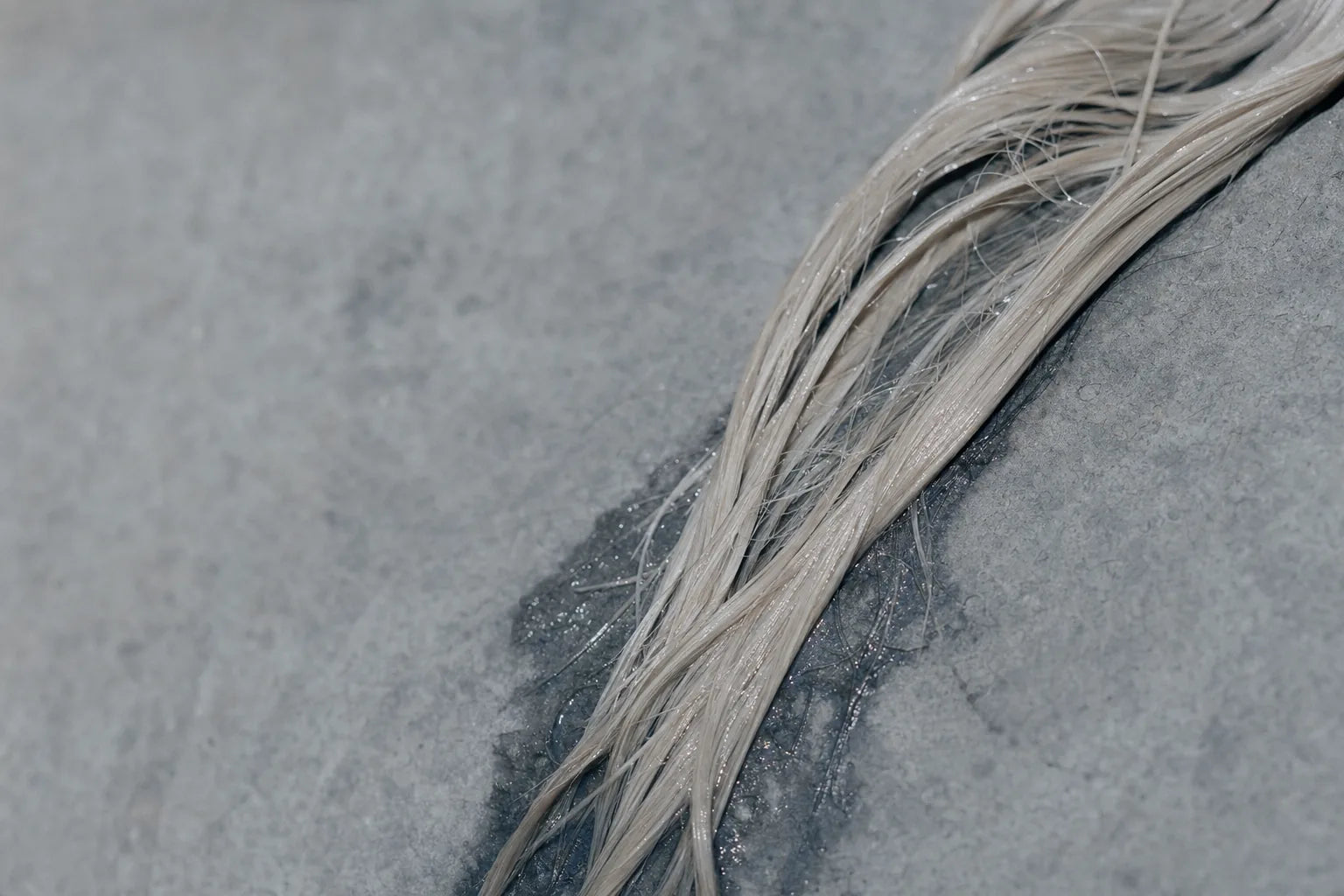
Why bleached hair feels gummy, what it suggests structurally, what to avoid, and how ANATOMY explains the problem through reconstruction.
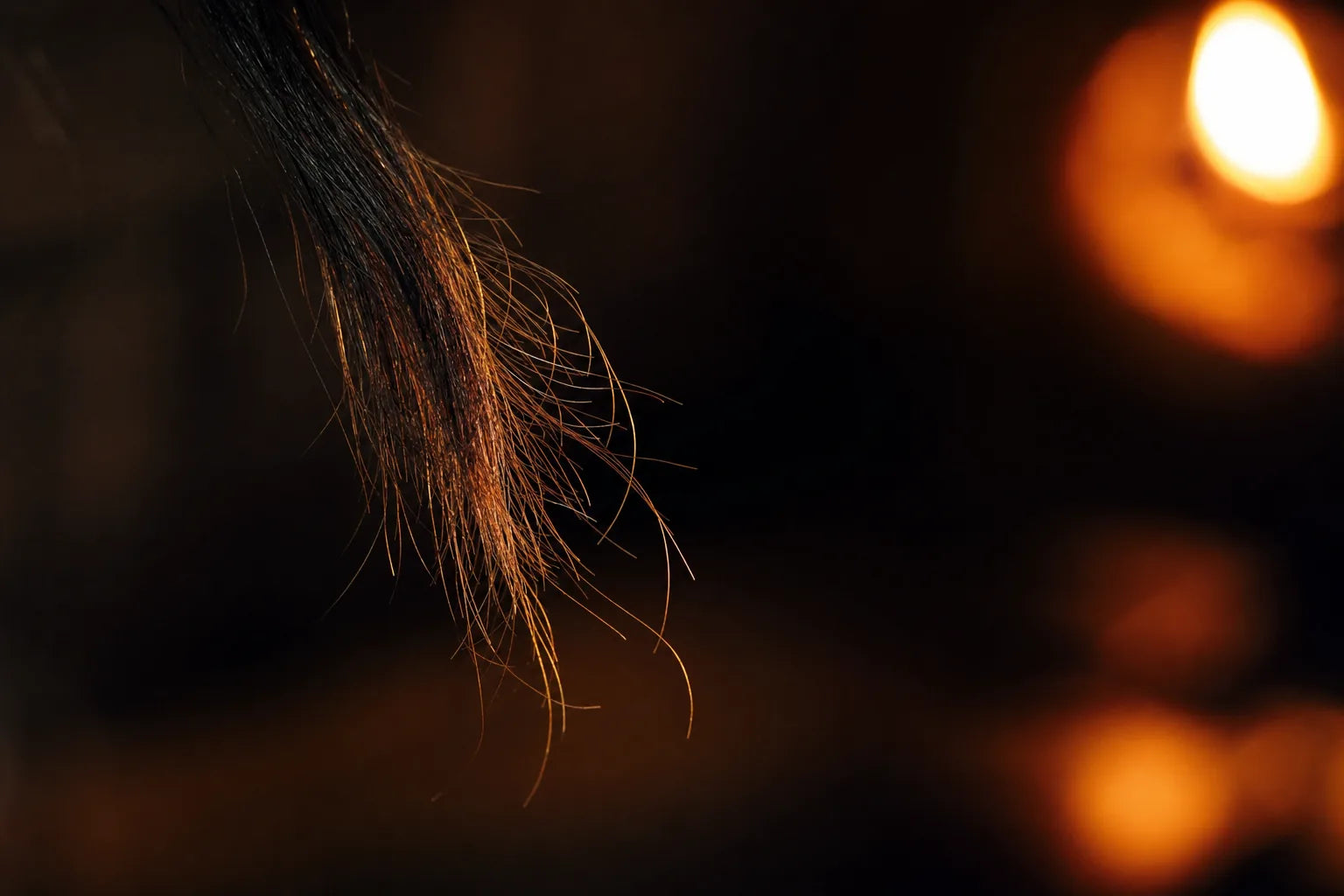
Heat Damaged Hair: How to Tell, What Lasts and How to Fix It
Hot tools change hair a little more with every session, and the hair cannot undo it. If yours feels best the day you straighten it and worst after the next wash, that pattern often points to heat damage. You can find where it sits, stop adding to it and trim it away as new hair grows in.
Read more about Heat Damaged Hair: How to Tell, What Lasts and How to Fix It
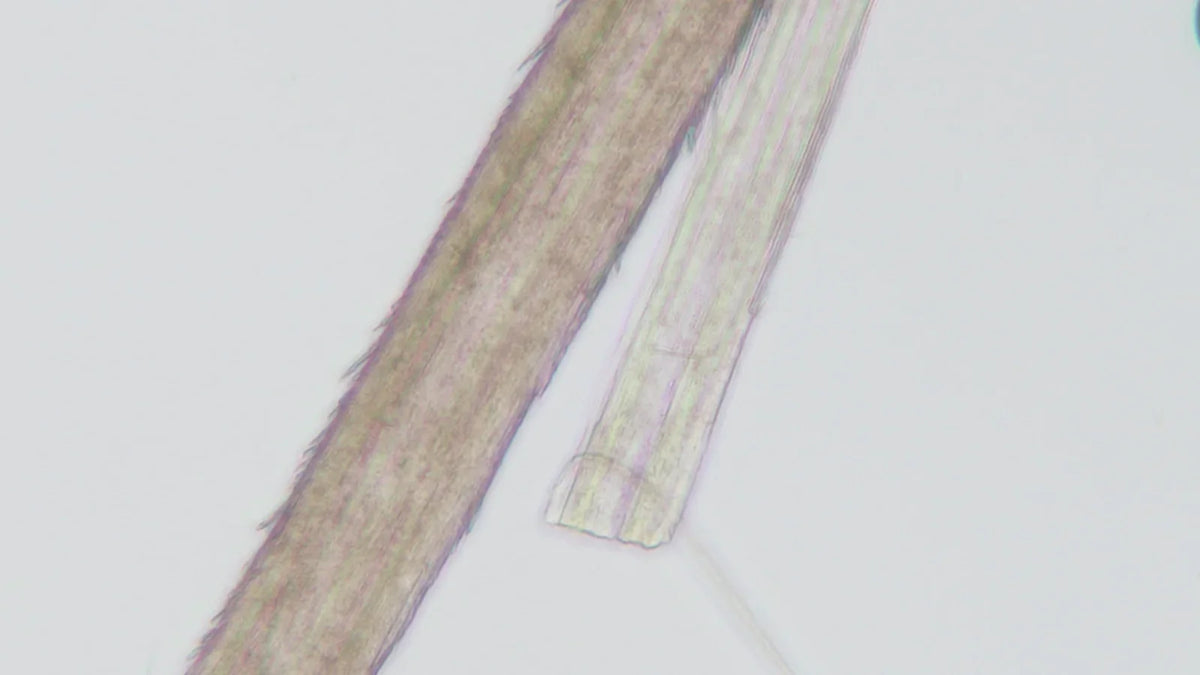
Why Is My Hair So Frizzy? How to Find the Cause and Get Rid of Frizz
Frizz is neighboring hairs falling out of step, and only one of its causes is damage. Work out which one you have before you change anything.
Read more about Why Is My Hair So Frizzy? How to Find the Cause and Get Rid of Frizz
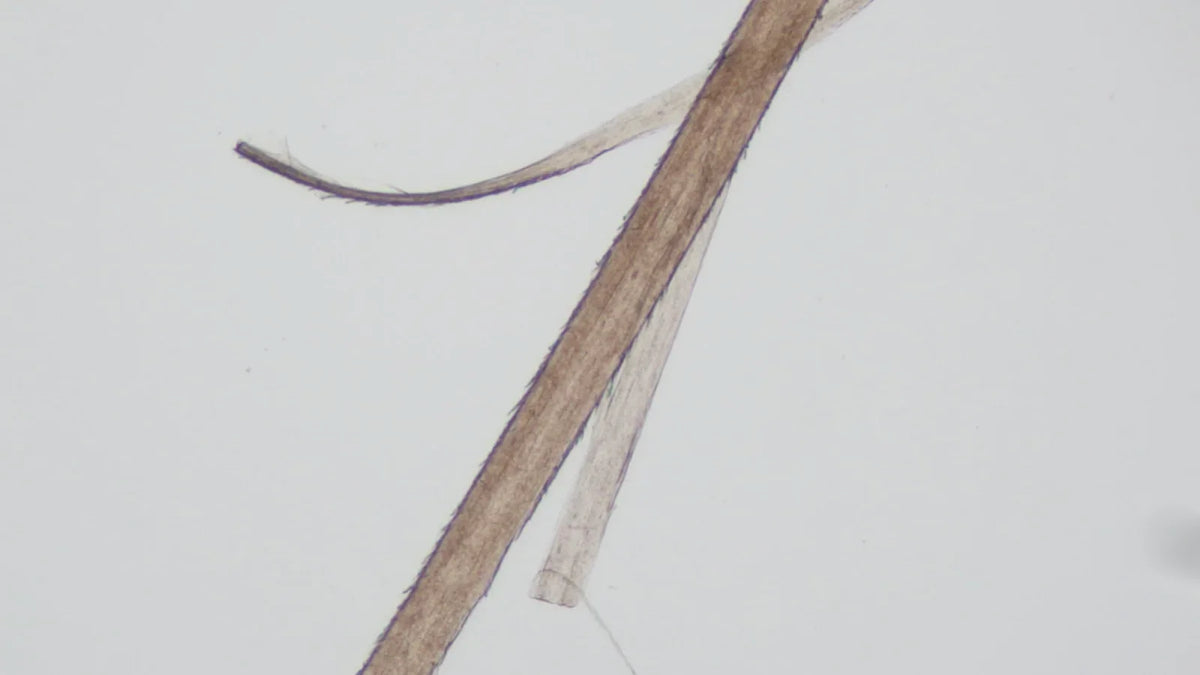
Does Coloring Damage Hair? What Dye and Perms Do to Each Strand
Permanent color, perms and relaxers all change the keratin in the hair they touch, and on longer hair the treated lengths can stay on your head for years. Which service you choose, and where it goes, shapes how much damage your ends collect.
Read more about Does Coloring Damage Hair? What Dye and Perms Do to Each Strand
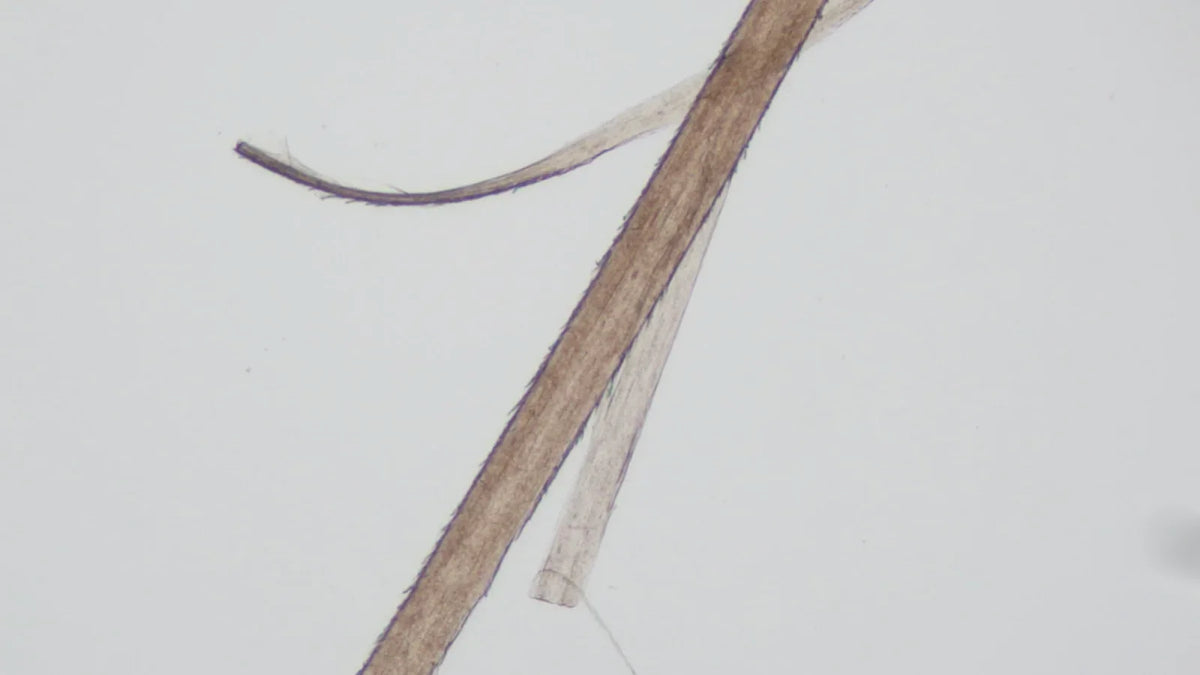
Protein Treatment for Hair: What It Does and When You Need One
Hair is mostly protein, yet the protein in a mask never becomes part of its keratin. What a treatment does instead, how long it stays, and how to tell whether your lengths need one.
Read more about Protein Treatment for Hair: What It Does and When You Need One

What Does Leave-In Conditioner Do, and How Do You Use It?
Its main job is lowering friction, so the hair that gains most is hair that tangles: long, lightened, heat-styled or curly lengths. Short, untreated hair that already combs freely may not need one at all.
Read more about What Does Leave-In Conditioner Do, and How Do You Use It?

How to Repair Damaged Hair: What Can Be Fixed and What Cannot
Two scientific reviews seem to disagree about whether damaged hair can be repaired, and both are right. The difference decides what a product can change until the next wash, and what only scissors and new growth can.
Read more about How to Repair Damaged Hair: What Can Be Fixed and What Cannot
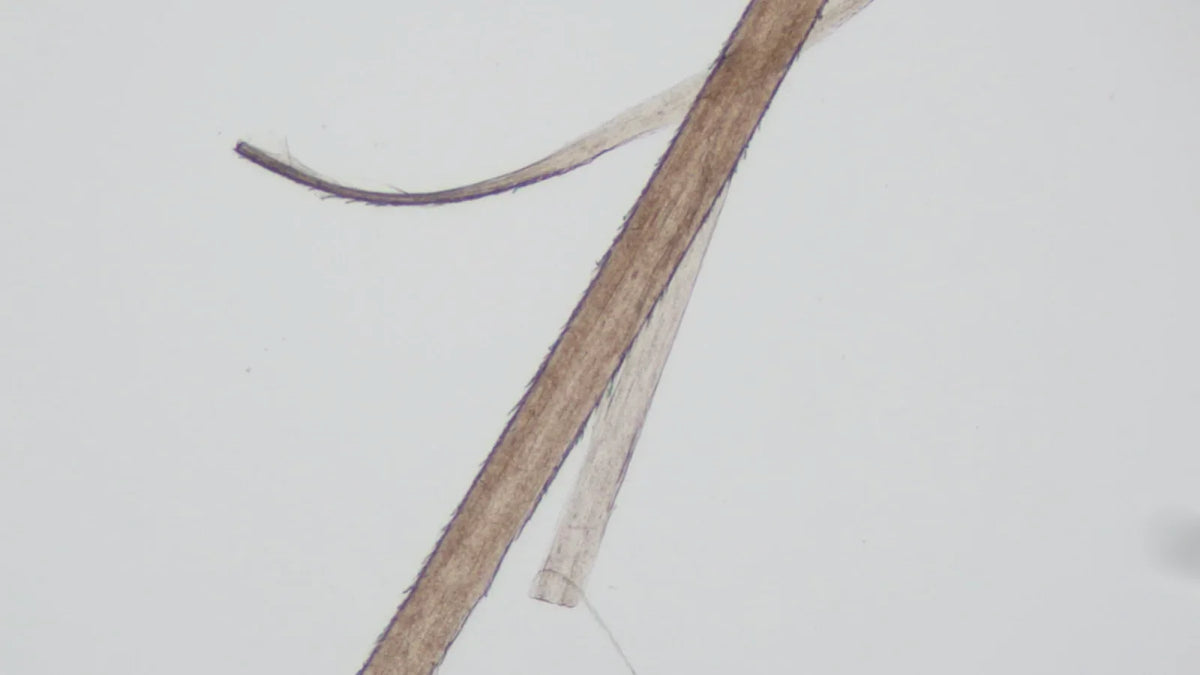
Hair Breakage: What Causes It and How to Stop It
Hair breakage rarely comes from a straight pull; a strand snaps where it bends sharply over another hair in a tangle. Bleach, heat and sun make that break easier, and the hairs in your brush hold clues to which one is at work.
Read more about Hair Breakage: What Causes It and How to Stop It
Split Ends: What They Are, What Causes Them, and How to Stop Them
The tips of shoulder-length hair are about two years old, and a split end is that old hair coming apart along its length. Some products can hold it together until the next wash; only scissors remove it.
Read more about Split Ends: What They Are, What Causes Them, and How to Stop Them
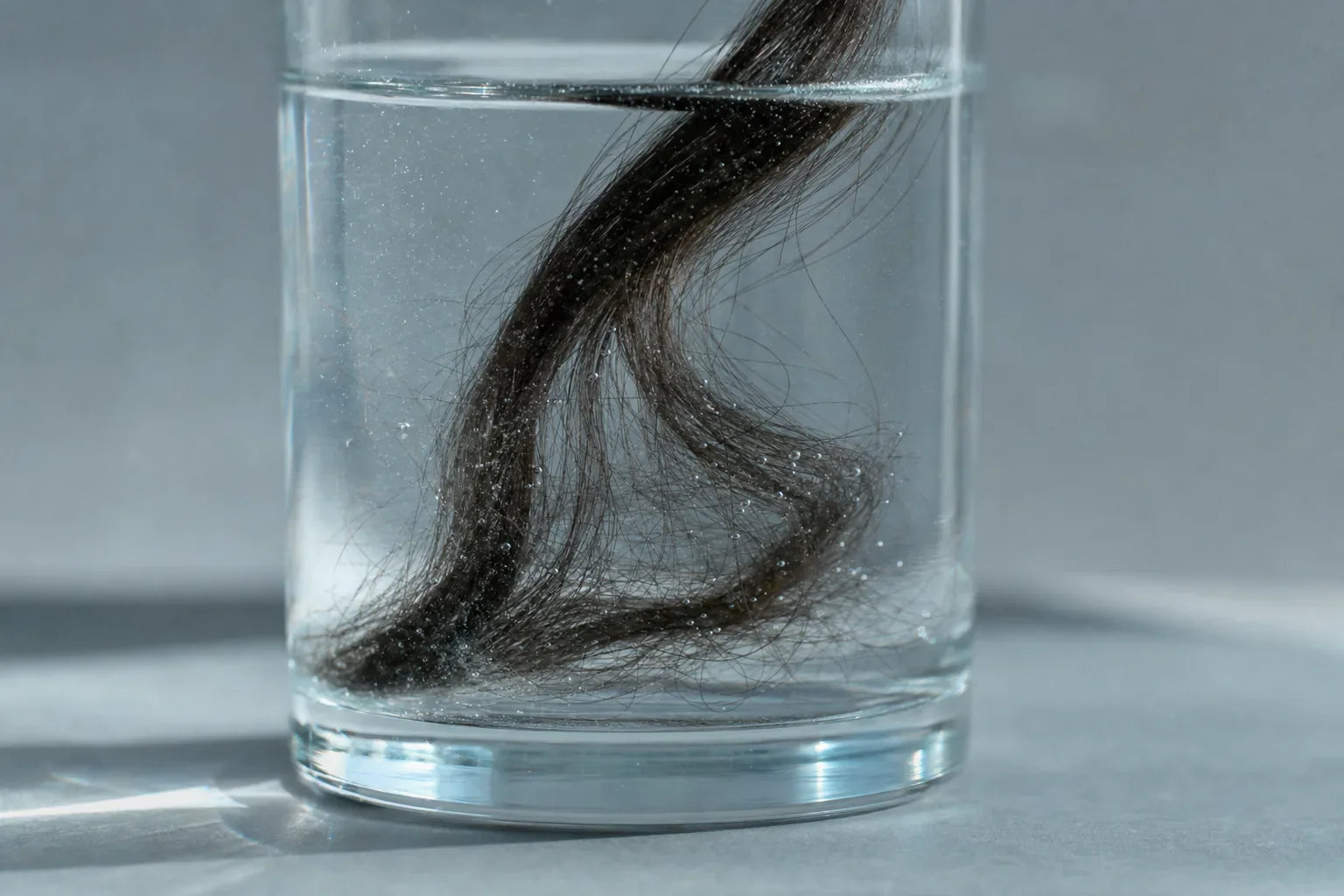
Hard Water and Hair: Why Minerals Stiffen Your Strands
Read more about Hard Water and Hair: Why Minerals Stiffen Your Strands
Keratin: The Protein Your Hair Is Made Of
Hygral Fatigue: Why Damaged Hair Gets Worse Every Wash
Read more about Hygral Fatigue: Why Damaged Hair Gets Worse Every Wash
Disulfide Bonds: The Cross-Links That Make Hair Strong
Read more about Disulfide Bonds: The Cross-Links That Make Hair Strong
The Hair Cortex: Where Your Hair's Strength Lives
Read more about The Hair Cortex: Where Your Hair's Strength Lives
The Hair Cuticle: The Scale Layer That Protects the Strand
Read more about The Hair Cuticle: The Scale Layer That Protects the Strand
ANATOMY vs Olaplex vs K18: How They Differ
Is Bleached Hair Always High Porosity?
High Porosity Hair: What It Is and What Fixes It
Read more about High Porosity Hair: What It Is and What Fixes It
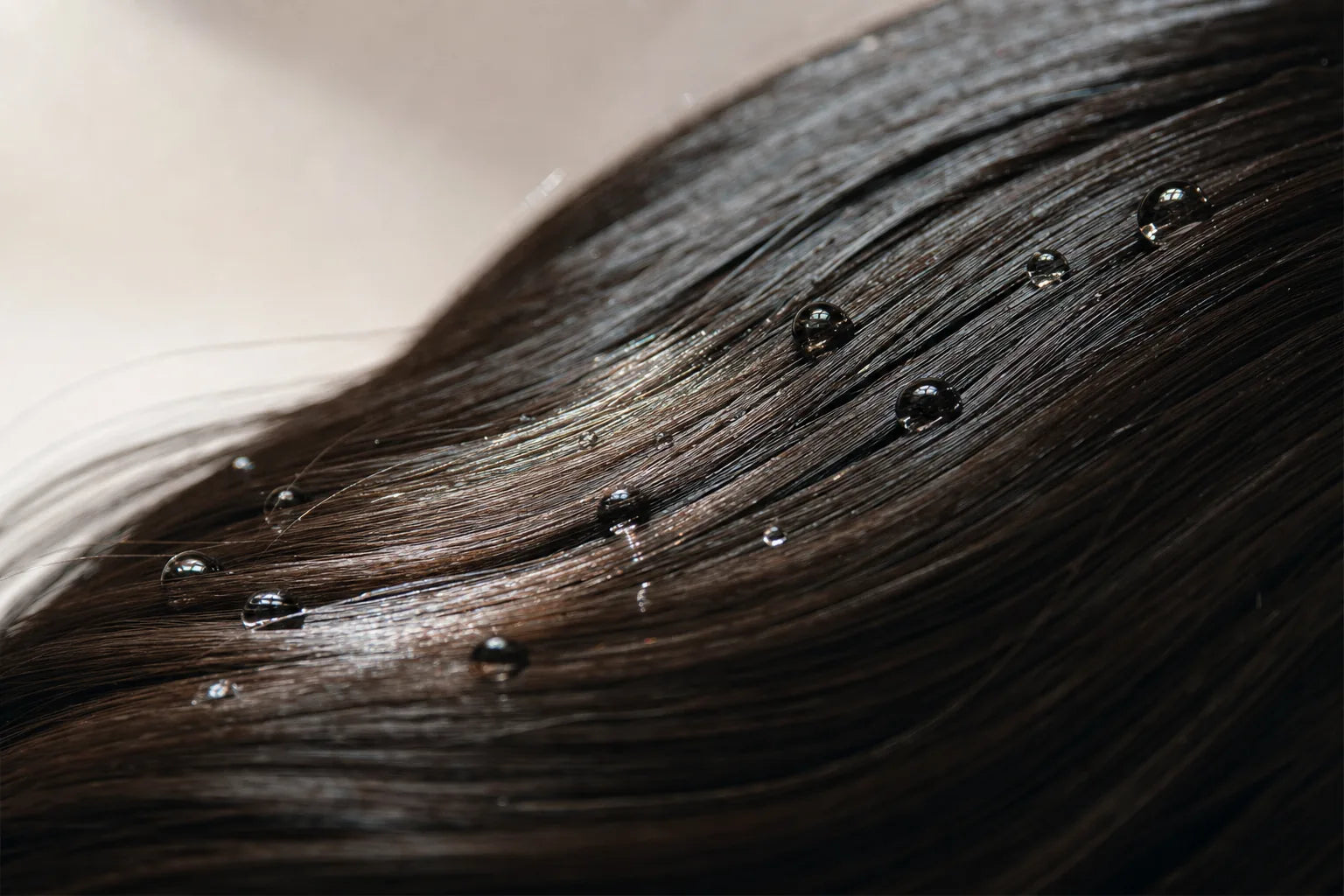
Low Porosity Hair: The Real Science
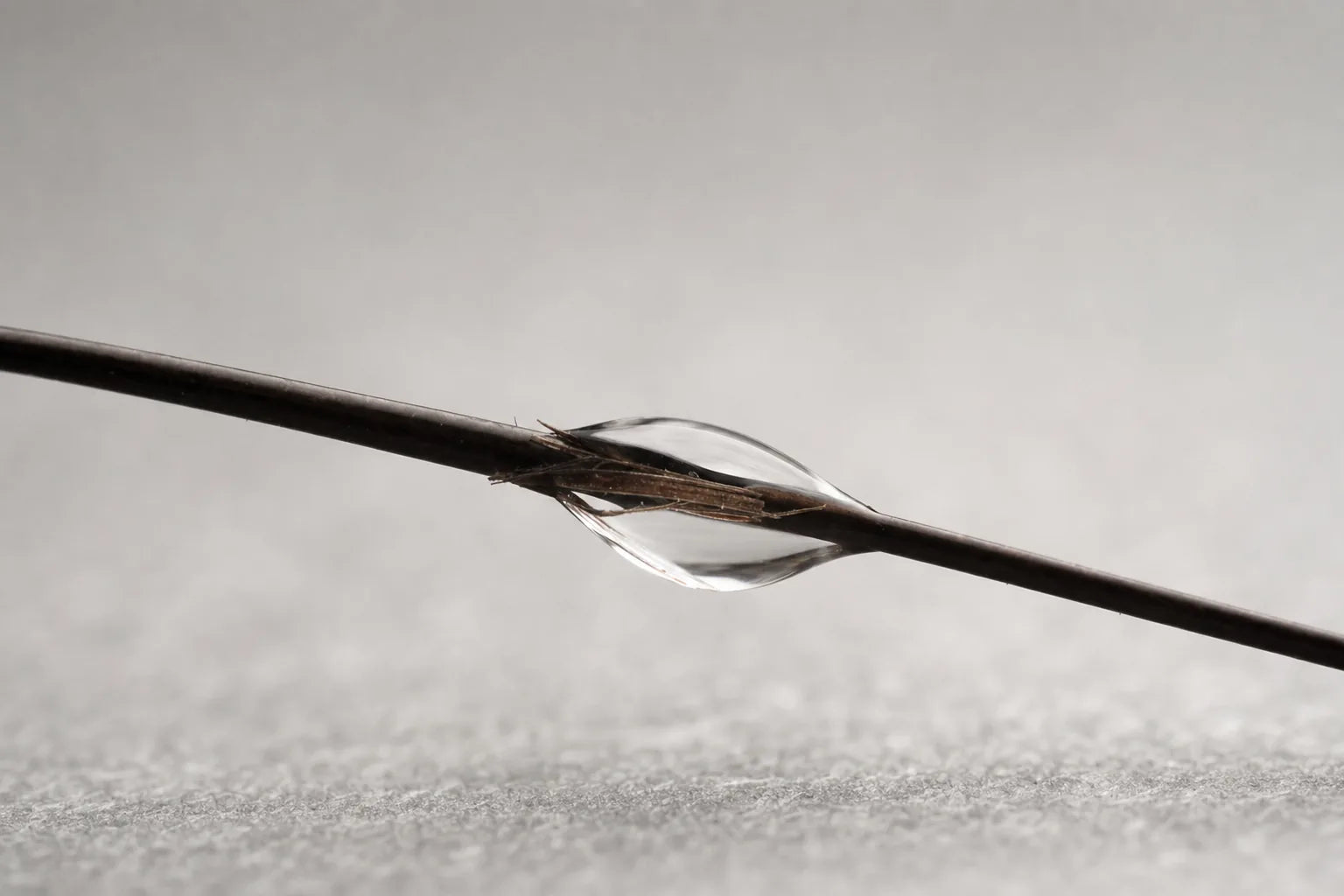
Bond Repair Treatment: Does It Work, and Which Kind Do You Need?
Two words on a label can stand for several unrelated chemistries, and little of the evidence behind them is independent. If your hair has never been lightened, colored, relaxed or permed, you probably do not need one.
Read more about Bond Repair Treatment: Does It Work, and Which Kind Do You Need?
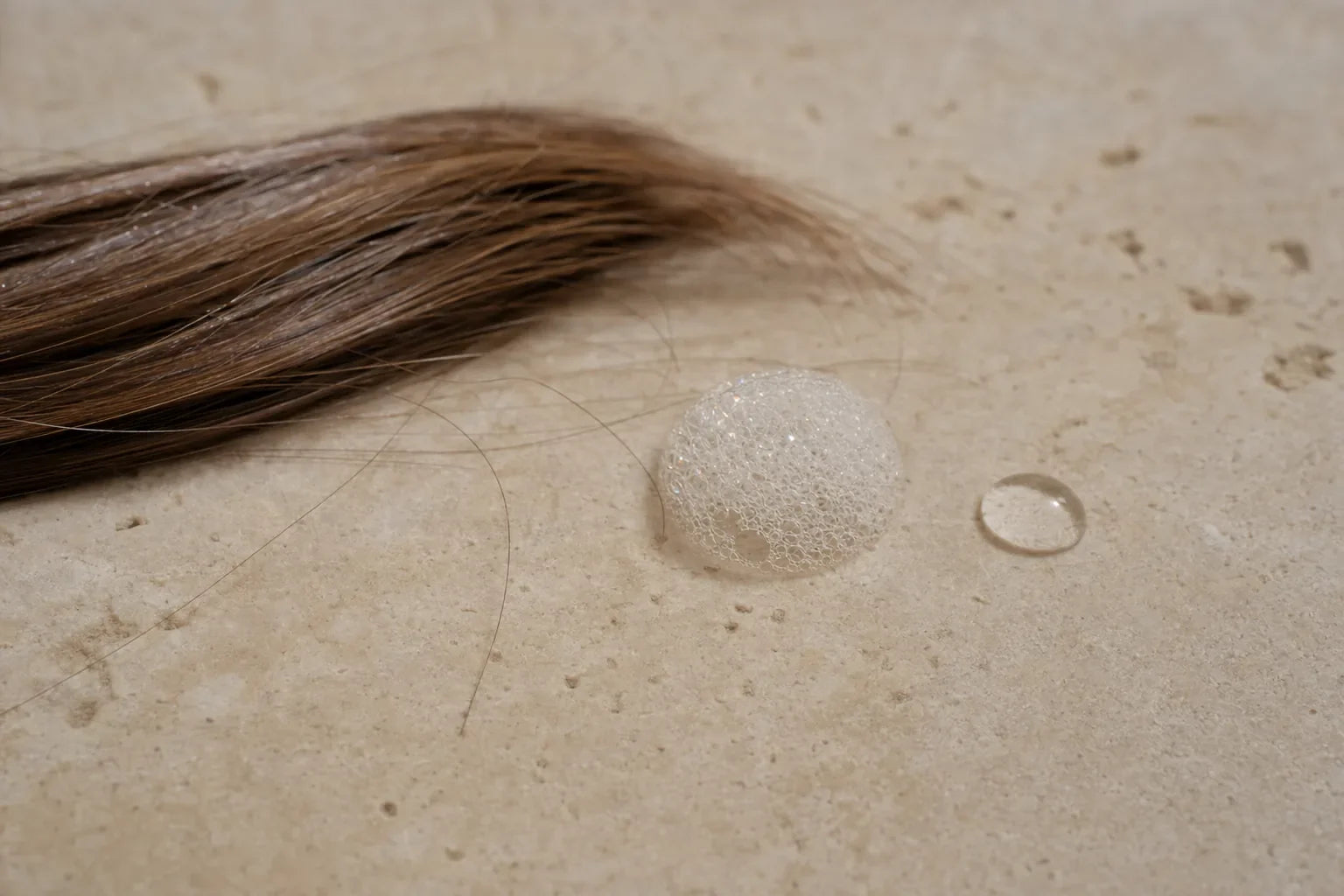
How to Choose the Best Shampoo for Extremely Dry Hair
Read more about How to Choose the Best Shampoo for Extremely Dry Hair
No articles match that filter yet. Try another topic or clear your search.