

3 granted patents
Two patented molecules behind one protocol.
SURFACE COATING VS INTERNAL RECONSTRUCTION
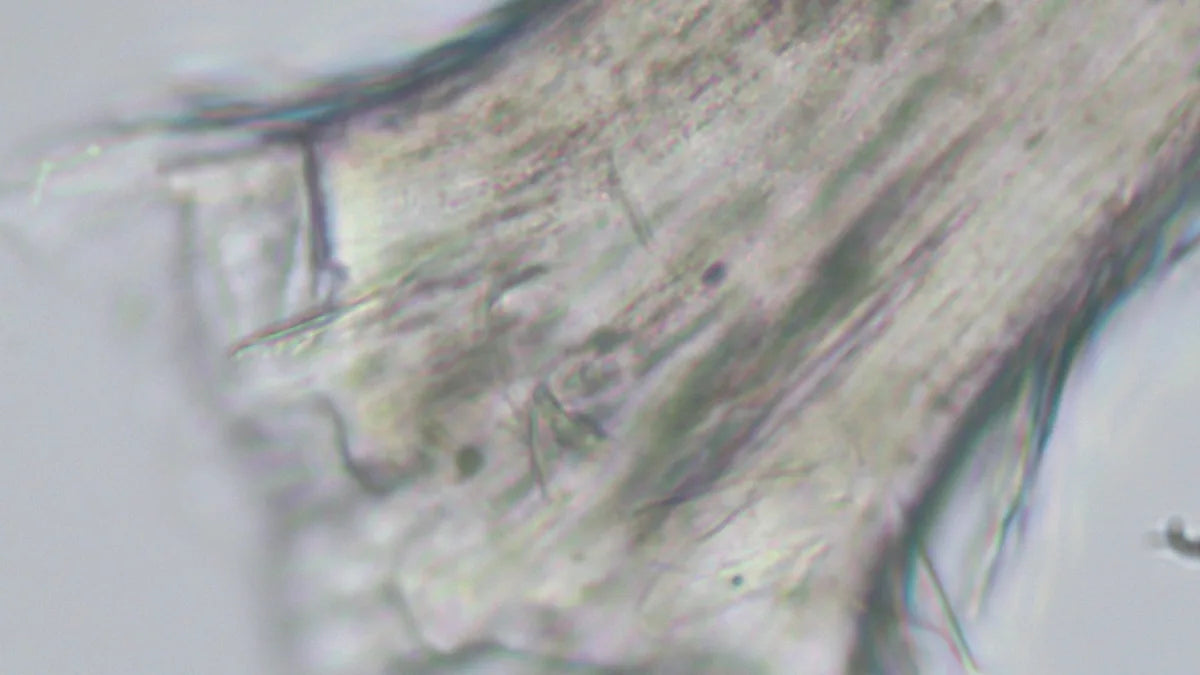
Smoothness can come from a film on the outside. Strength cannot. ANATOMY is designed to reconstruct damaged hair at the molecular level using click chemistry that forms new covalent links inside the cortex. That is why the claim is structural, not cosmetic.
ANATOMY® Complete Reconstruction System
60 seconds · AI-guided interpretation of your hair history · informed by peer-reviewed hair-fibre research
Swiss-developed.
3 granted patents
Two patented molecules behind one protocol.
Independent German testing
Evidence first. Promise second.
Click chemistry
A mechanism that explains why the result is structural.
Choose your reconstruction protocol
The Complete System is the full preparation, reconstruction and support protocol. The Leave-In is the focused daily entry point.

Preparation, reconstruction and retained support in one complete molecular protocol.
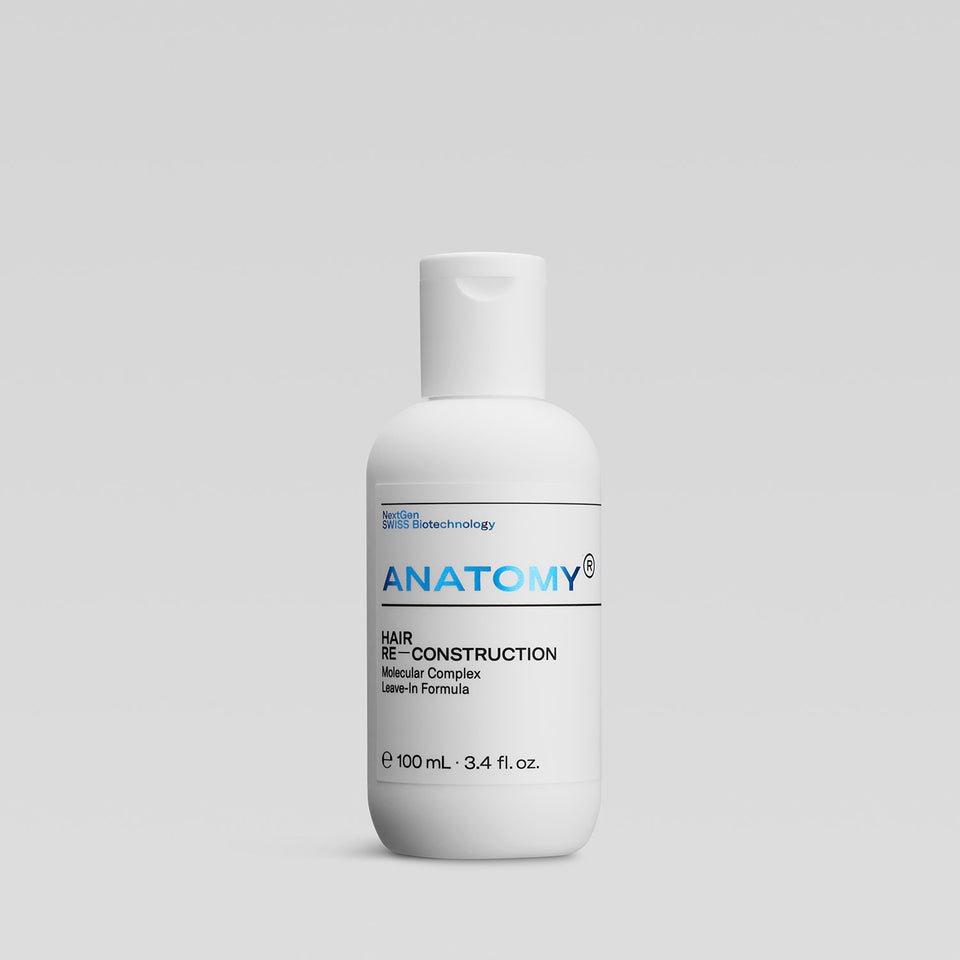
Leave-on molecular support for heat styling, daily friction and targeted reconstruction.
Choose based on protocol depth, not cosmetic surface feel.
Less breakage. Better elasticity. Hair that holds together after washing and styling.
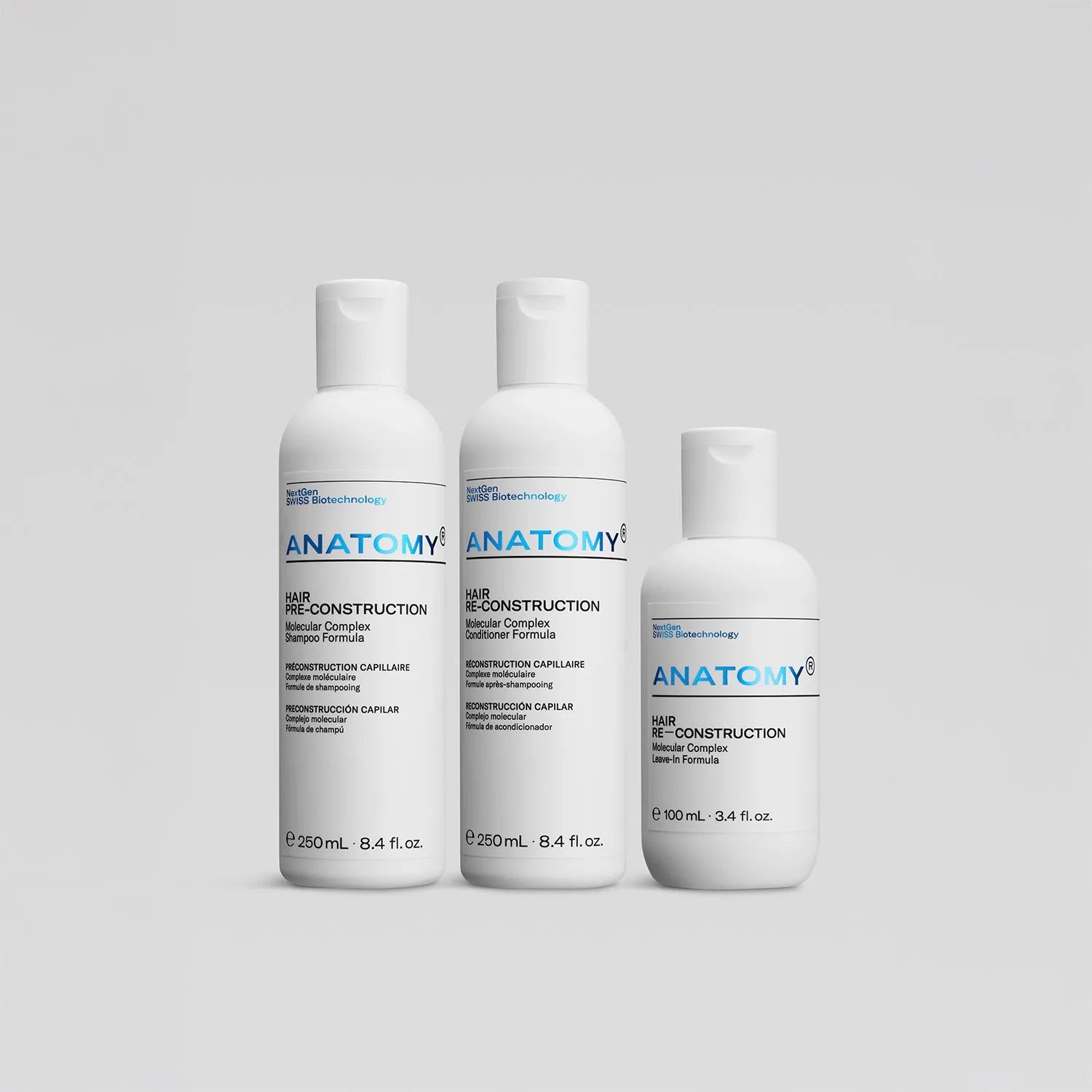
A structural argument deserves a structural protocol. Start with the full ANATOMY system so the fiber is prepared, reconstructed, and supported through styling as one sequence.
Priced the same as the three steps bought separately, with shipping included — the difference is the sequence.
Complimentary US shipping · 60-Day One-Cycle Guarantee · ★ 4.8 from 769 reviews
The individual products below are not separate beauty stories. They are the same reconstruction logic made available step by step. If you want one product first, the leave-in is the strongest single-product entry point because it stays on the hair longest.
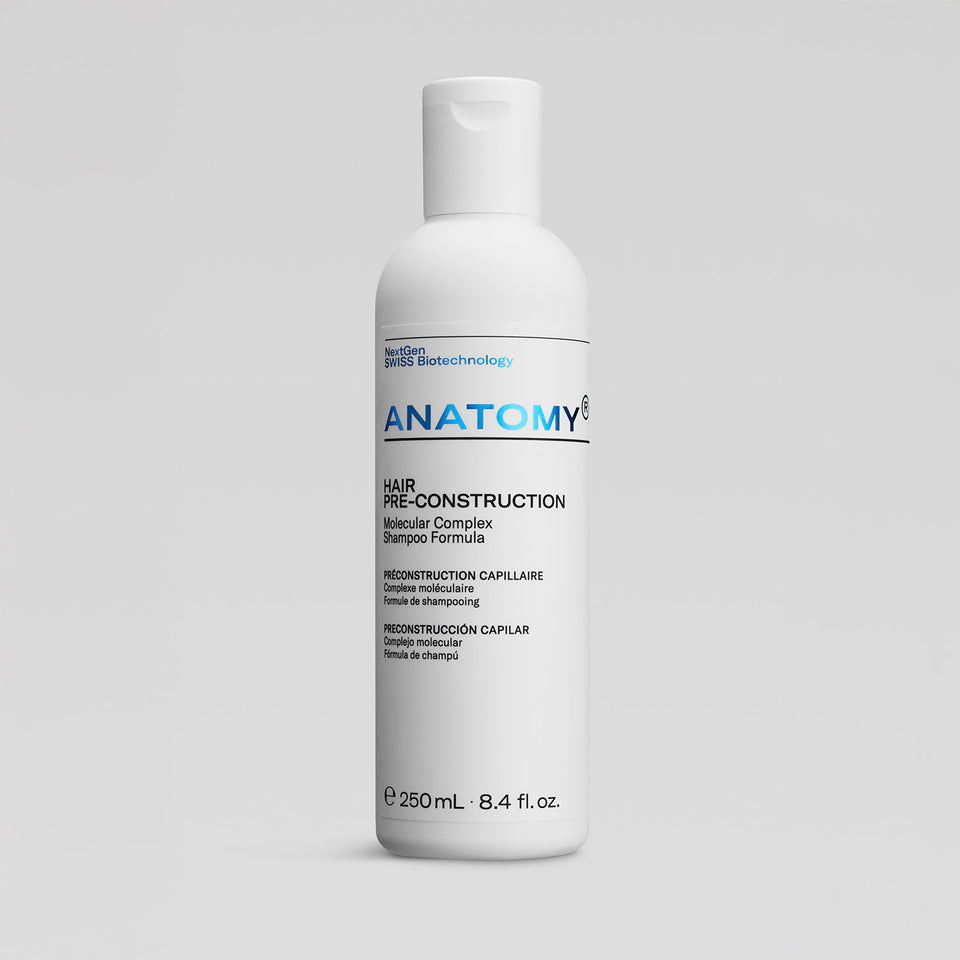
Prepares damaged hair fibres for the reconstruction steps that follow.
$42.00
60-Day One-Cycle Guarantee
View details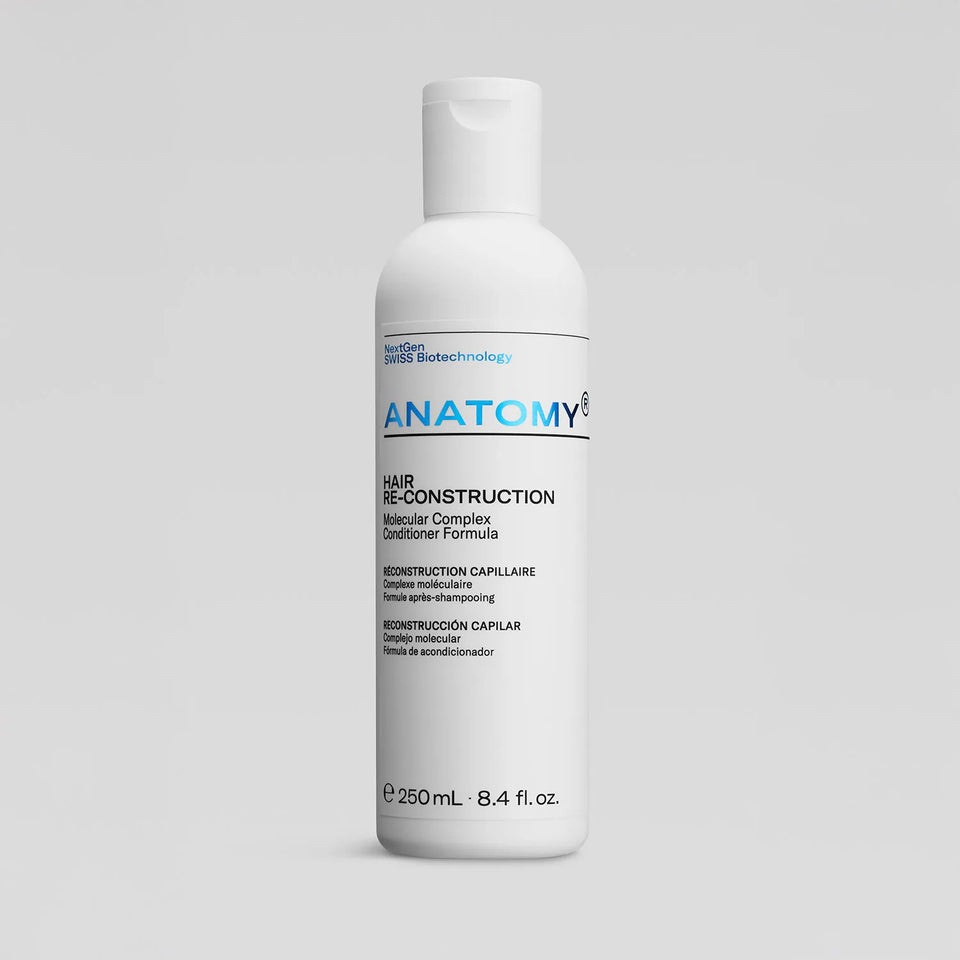
The rinse-out reconstruction step for weakened lengths and compromised cortex structure.
$42.00
60-Day One-Cycle Guarantee
View detailsThe longest-contact reconstruction step for ongoing support between washes.
$85.00
60-Day One-Cycle Guarantee
View detailsIt can improve slip. It can reduce roughness. It can make hair feel smoother after one use. Those effects are real, but they live mainly on the surface.
It cannot explain stronger fiber performance under stress. It cannot explain internal reconstruction in the cortex.
ANATOMY is designed to form new covalent architecture at damaged sites inside the fiber. The goal is not to disguise damage more elegantly. The goal is to reconstruct structure more precisely.
If you have used enough repair products, the skepticism is justified. Many formulas improve feel immediately, yet the underlying weakness returns as soon as the cosmetic finish wears off. ANATOMY was built for a different standard. If the result is stronger hair, the mechanism must account for the inside of the fiber, not only the outside of it.
When hair is chemically or thermally stressed, the internal architecture weakens. The problem is not only roughness on the surface. The problem is broken structure in the cortex.
ANATOMY uses click chemistry because it offers a more precise way to form new covalent links where the fiber has been compromised.
If reconstruction is real, the downstream result should not be limited to slip or shine. It should show up as stronger, more coherent hair when the fiber is stressed.
No. Surface conditioning has a real place. It can improve slip, feel, and immediate manageability. The point is narrower and more important: surface conditioning alone does not fully explain stronger hair. ANATOMY makes a structural claim, so the mechanism has to go deeper than a cosmetic film.
Because the three steps were designed to work in sequence: preparation, reconstruction, and extended support. That sequence is the most coherent way to buy into the science.
Typical bond-repair language often stops at reconnecting what broke. ANATOMY is positioned around molecular reconstruction using click chemistry to form new covalent architecture at damaged sites. It is a more explicit structural argument, and the copy should stay that exact.
Start with the ANATOMY protocol built to explain the result from the inside out.
Complimentary US shipping · 60-Day One-Cycle Guarantee · ★ 4.8 from 769 reviews
The Reconstruction Protocol
The damage-specific rebuild guide in three editions — bleach, heat, breakage — with the ten-minute diagnostic and the week 2/4/8 timeline. Sent by email, with a private 10% first-order code.
Keep reading
Chosen for this page. The full method lives on the science page.

What bond builders can and cannot do.

Three mechanisms, side by side.

Where structural strength actually lives.

The bonds that hold the fibre together.
Complete system: shampoo, conditioner, leave-in.