The Science Library

Editorial explainers on hair structure, bleach damage, click chemistry, tensile testing, and molecular reconstruction. Written to clarify the mechanism before the claim.

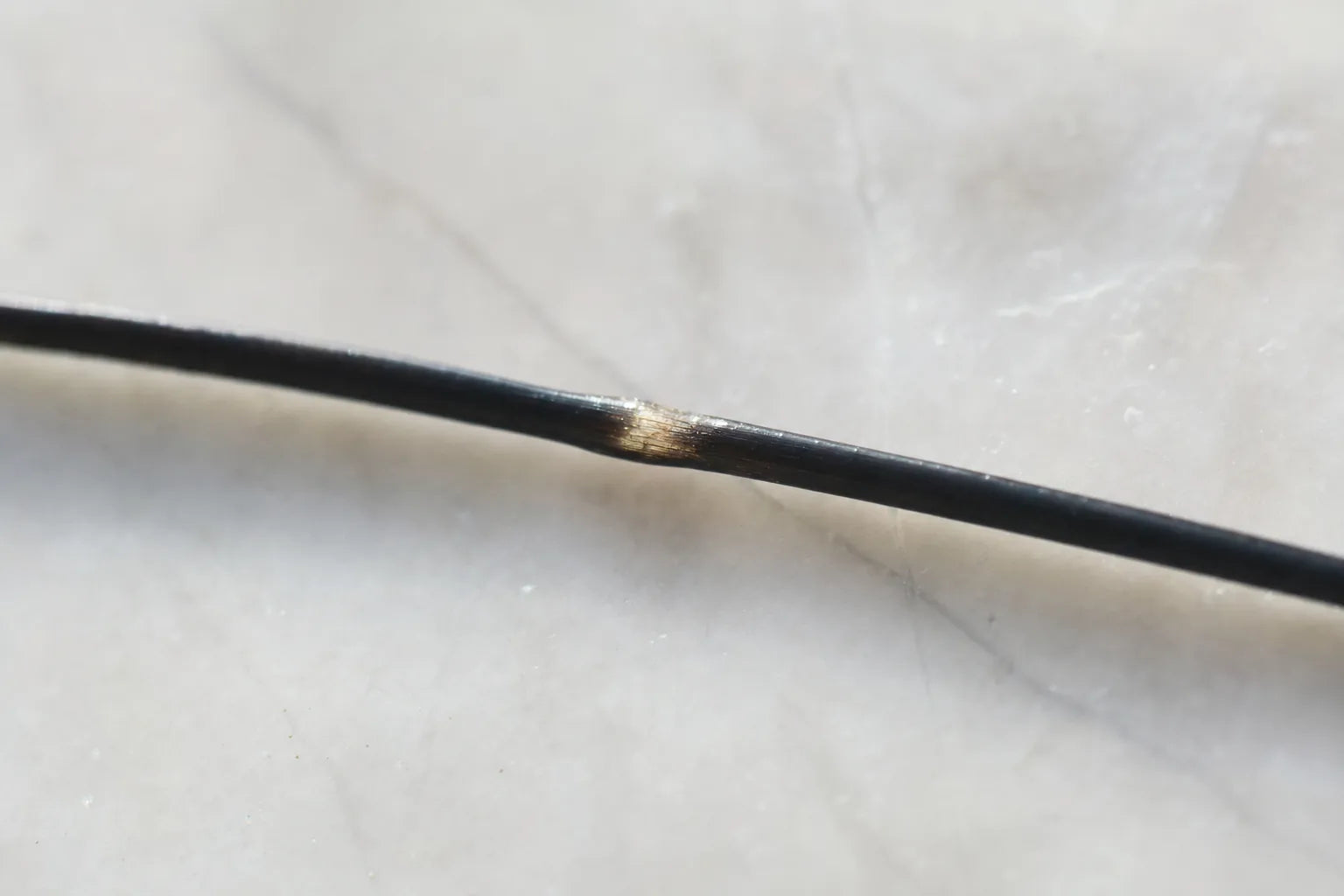
What Is Molecular Hair Repair? - ANATOMY Science LibraryWhat Is Molecular Hair Repair?

What Is Molecular Hair Repair?

Molecular hair repair explained with mechanism-first language and internal links to ANATOMY's science and complete protocol.
Read more about What Is Molecular Hair Repair?

Hair Bond Repair Guide: What Bonds Matter and What Repair Can Mean - ANATOMY Science LibraryHair Bond Repair Guide: What Bonds Matter and What Repair Can Mean

Hair Bond Repair Guide: What Bonds Matter and What Repair Can Mean

A precise guide to hair bonds, disulfide bridges, and how bond repair differs from ANATOMY molecular reconstruction.

Read more about Hair Bond Repair Guide: What Bonds Matter and What Repair Can Mean
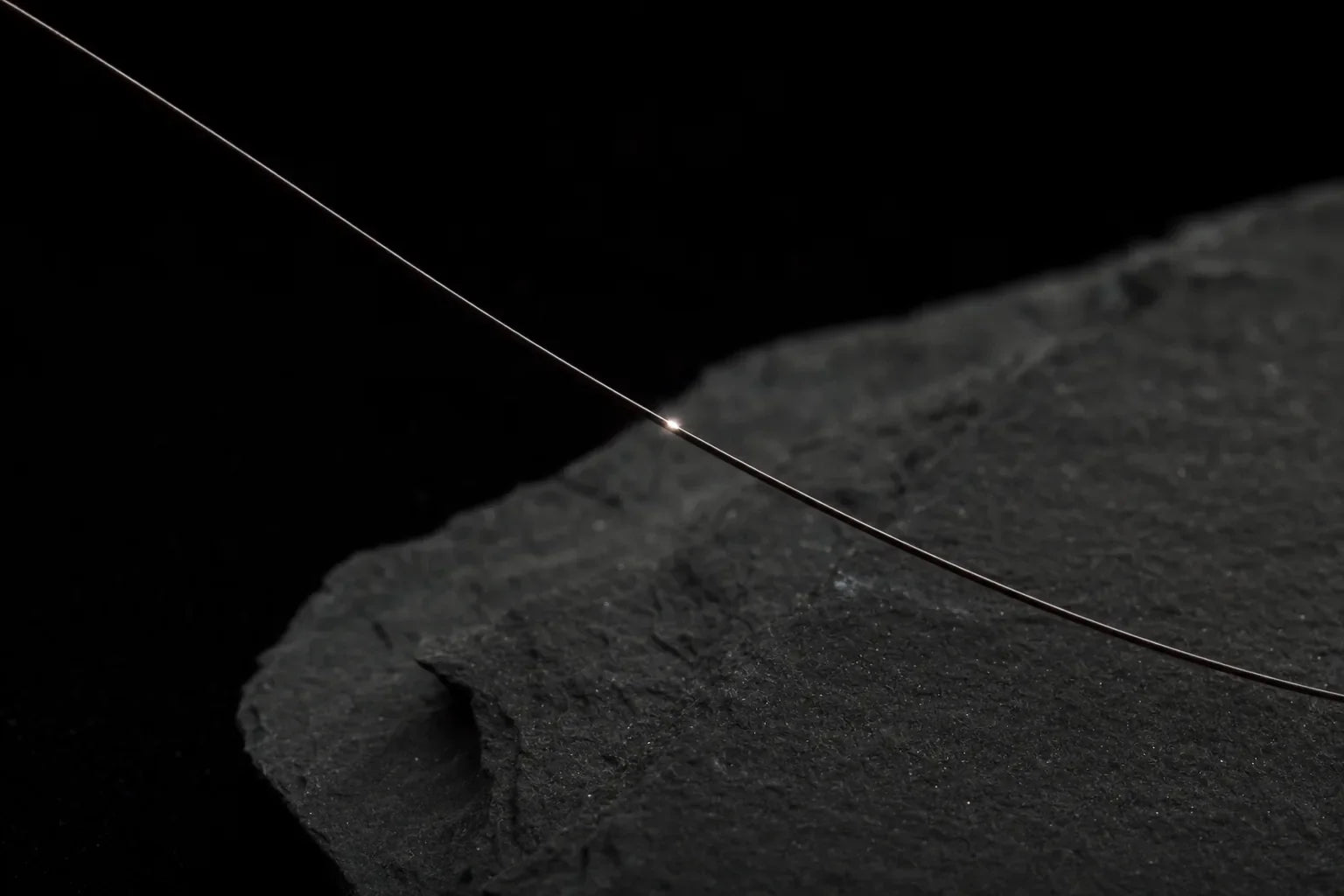
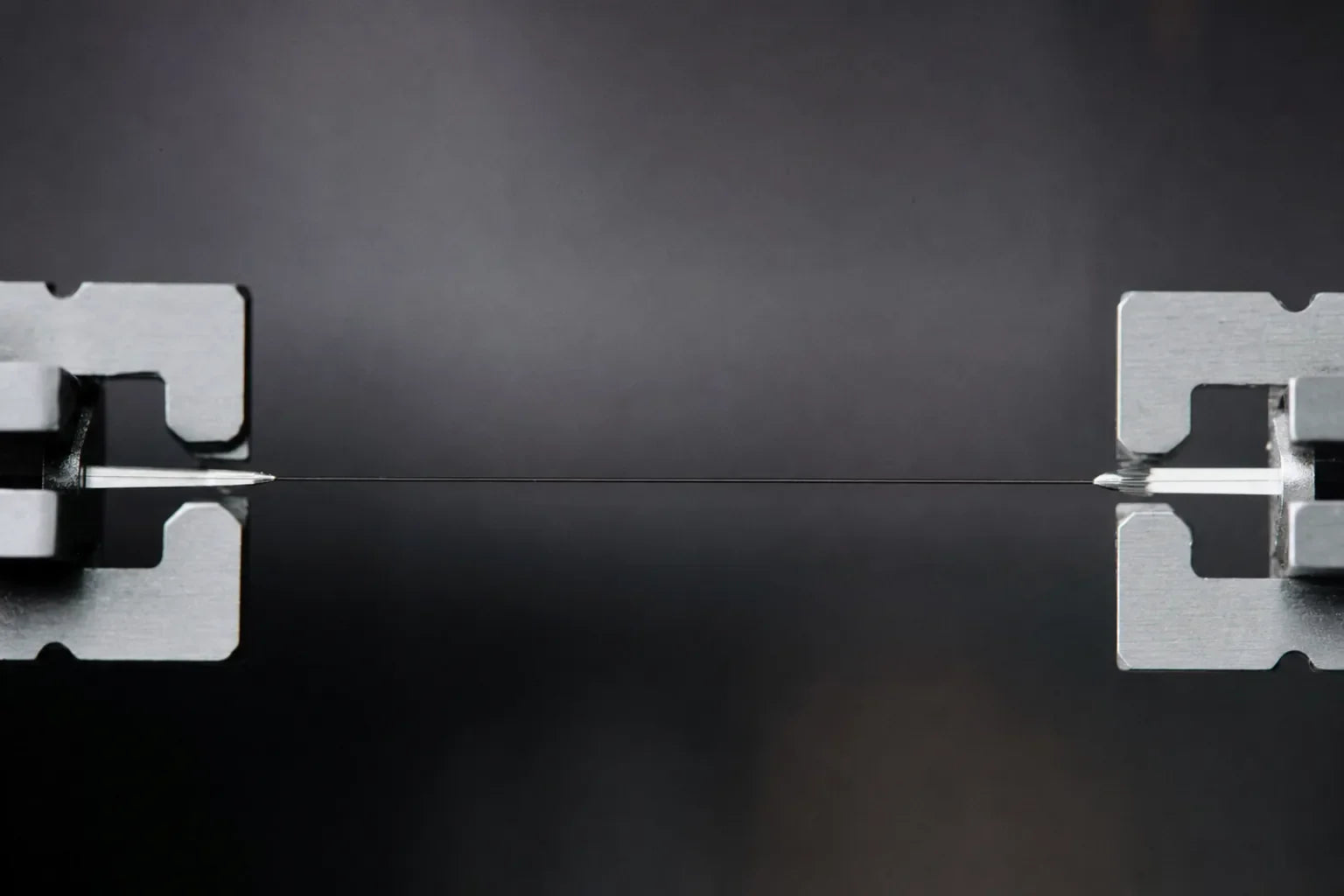
Click Chemistry for Haircare, Explained - ANATOMY Science LibraryClick Chemistry for Haircare, Explained

Click Chemistry for Haircare, Explained

A plain-English explanation of click chemistry in haircare and how ANATOMY connects the logic to molecular reconstruction.
Read more about Click Chemistry for Haircare, Explained

What 135% Stronger Hair Means - ANATOMY Science LibraryWhat 135% Stronger Hair Means

What 135% Stronger Hair Means

What ANATOMY's measured strength claim means, how tensile testing works, and why the result is explained as an instrument reading.

Read more about What 135% Stronger Hair Means

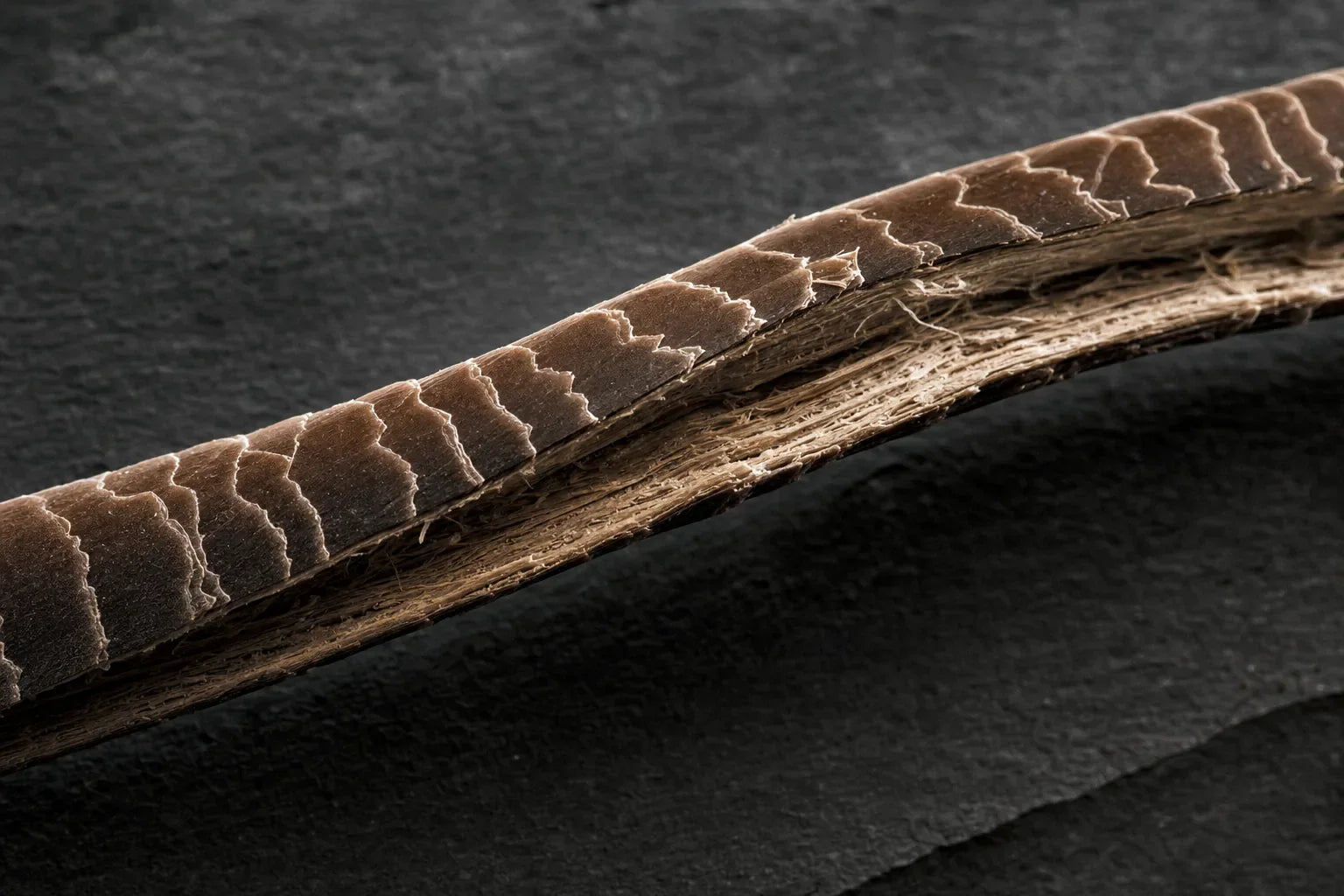
What Is Tensile Testing for Hair? - ANATOMY Science LibraryWhat Is Tensile Testing for Hair?

What Is Tensile Testing for Hair?

Tensile testing for hair explained: what is measured, why cross-sectional area matters, and how to interpret pre/post fiber data.
Read more about What Is Tensile Testing for Hair?

Cuticle vs Cortex Hair Damage - ANATOMY Science LibraryCuticle vs Cortex Hair Damage

Cuticle vs Cortex Hair Damage

Cuticle vs cortex damage explained: what each layer does, why coatings are limited, and how ANATOMY connects the problem to molecular reconstruction.

Read more about Cuticle vs Cortex Hair Damage

Editorial lifestyle photograph of a woman's hand separating a strand of bleached-blond hair, contrasting healthy root and damaged dry ends.Bleached Hair Repair: What Actually Works

Bleached Hair Repair: What Actually Works

A structural guide to bleached hair repair, gummy hair, oxidative damage, and ANATOMY's bundle-first reconstruction protocol.
Read more about Bleached Hair Repair: What Actually Works

Why Bleached Hair Feels Gummy - ANATOMY Science LibraryWhy Bleached Hair Feels Gummy

Why Bleached Hair Feels Gummy

Why bleached hair feels gummy, what it suggests structurally, what to avoid, and how ANATOMY explains the problem through reconstruction.

Read more about Why Bleached Hair Feels Gummy

Cysteic Acid and Bleached Hair Damage - ANATOMY Science LibraryCysteic Acid and Bleached Hair Damage

Cysteic Acid and Bleached Hair Damage

Cysteic acid in bleached hair explained: sulfur chemistry, disulfide bridge oxidation, Raman/IR data, and reconstruction logic.

Read more about Cysteic Acid and Bleached Hair Damage

Bond Repair vs Molecular Reconstruction - ANATOMY Science LibraryBond Repair vs Molecular Reconstruction

Bond Repair vs Molecular Reconstruction

Bond repair vs molecular reconstruction explained through mechanism, proof, and structural sequence.

Read more about Bond Repair vs Molecular Reconstruction

Why Damaged Hair Breaks When Brushed - ANATOMY Science LibraryWhy Damaged Hair Breaks When Brushed

Why Damaged Hair Breaks When Brushed

Why damaged hair breaks during brushing, how cuticle abrasion and cortex weakness interact, and how ANATOMY explains breakage through reconstruction.

Read more about Why Damaged Hair Breaks When Brushed

Heat Damaged Hair: Surface Feel vs Structure - ANATOMY Science LibraryHeat Damaged Hair: Surface Feel vs Structure

Heat Damaged Hair: Surface Feel vs Structure

Heat damaged hair explained as cumulative structural stress, surface behavior, cortex resilience, and Leave-In's role.

Read more about Heat Damaged Hair: Surface Feel vs Structure

Keratin: The Protein Your Hair Is Made Of
Keratin is the structural protein that makes up hair. Understanding it explains why 'keratin treatments' coat rather than rebuild, and what real repair requires.

Read more about Keratin: The Protein Your Hair Is Made Of

Hygral Fatigue: Why Damaged Hair Gets Worse Every Wash
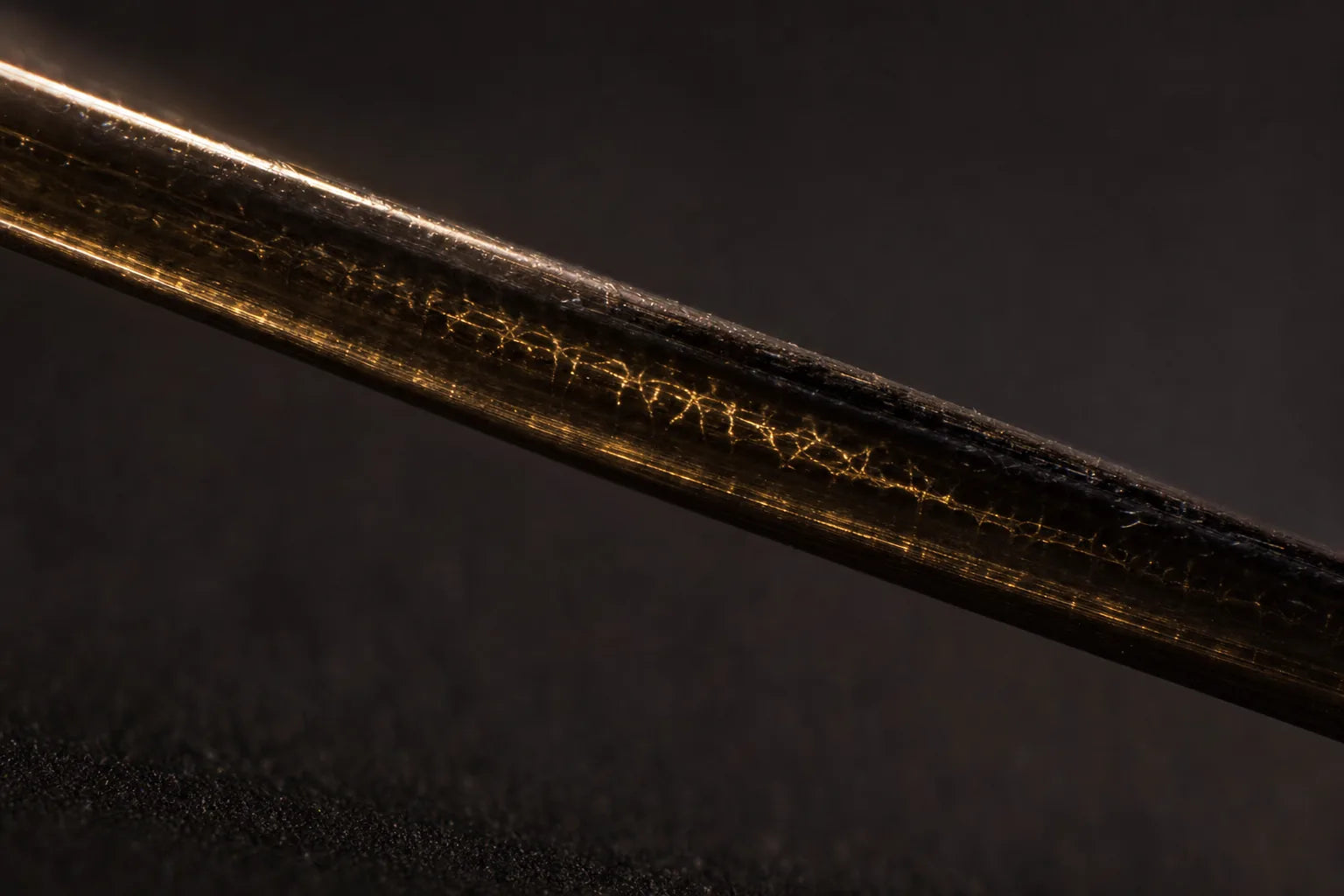
Hygral fatigue is the slow wear from hair swelling when wet and shrinking when dry. Damaged hair suffers it badly because it lost its lubricating coating.

Read more about Hygral Fatigue: Why Damaged Hair Gets Worse Every Wash

Cysteic Acid: The Chemical Fingerprint of Bleach Damage

Cysteic acid is the dead-end molecule bleach leaves behind when it breaks hair's disulfide bonds. Its presence is the chemical signature of oxidative damage.

Read more about Cysteic Acid: The Chemical Fingerprint of Bleach Damage

Disulfide Bonds: The Cross-Links That Make Hair Strong

Disulfide bonds are the sulfur cross-links that hold the hair cortex together. Bleach breaks them; rebuilding them is what restores strength.

Read more about Disulfide Bonds: The Cross-Links That Make Hair Strong

The Cell Membrane Complex: The Cement Between Hair Scales

The cell membrane complex is the thin cement that holds hair's cuticle scales together. It is the real gatekeeper of what gets in and out of the strand.

Read more about The Cell Membrane Complex: The Cement Between Hair Scales

The Hair Cortex: Where Your Hair's Strength Lives
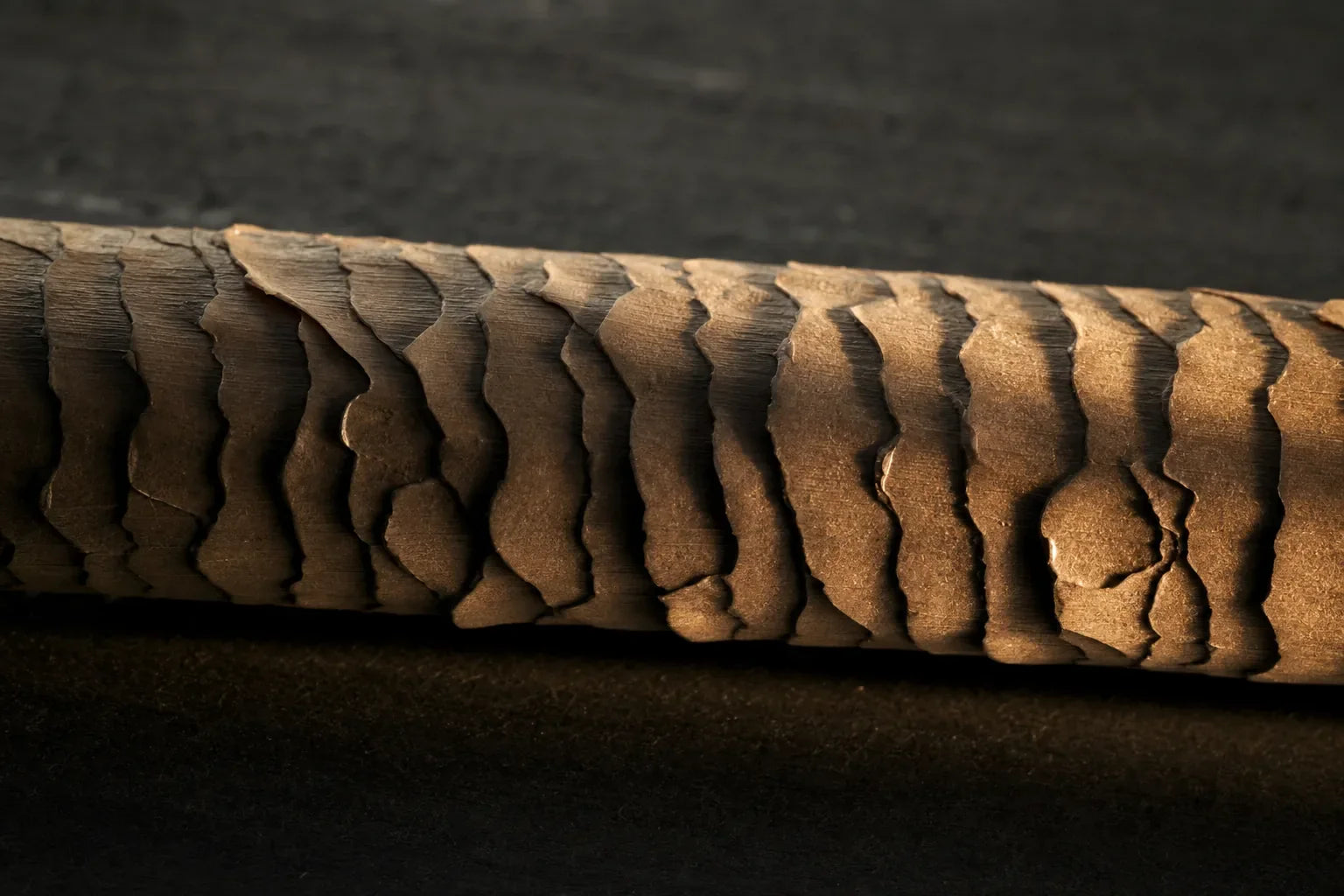
The cortex is the strand's core, a cable of twisted protein held by disulfide bonds. It decides how strong your hair is and what snaps when it breaks.

Read more about The Hair Cortex: Where Your Hair's Strength Lives

The Hair Cuticle: The Scale Layer That Protects the Strand

The cuticle is the layer of overlapping scales, like roof tiles, that armors the hair strand. When it lifts, hair turns rough, dull, and porous.

Read more about The Hair Cuticle: The Scale Layer That Protects the Strand

What Is 18-MEA? The Oil Seal on Every Healthy Hair

18-MEA is the one-molecule-thick fatty-acid coating that makes healthy hair water-repellent. Bleach strips over 80% of it in a single session.

Read more about What Is 18-MEA? The Oil Seal on Every Healthy Hair