

The Science Library
Editorial explainers on hair structure, bleach damage, click chemistry, tensile testing, and molecular reconstruction. Written to clarify the mechanism before the claim.

Hair Porosity: The Complete Science
Peer-reviewed science of hair porosity — what it is, what causes it, the 3 home tests that actually measure something, and what restores it. Measured, not promised.
Read the guideAll articles
What Is Molecular Hair Repair?
Molecular hair repair explained with mechanism-first language and internal links to ANATOMY's science and complete protocol.
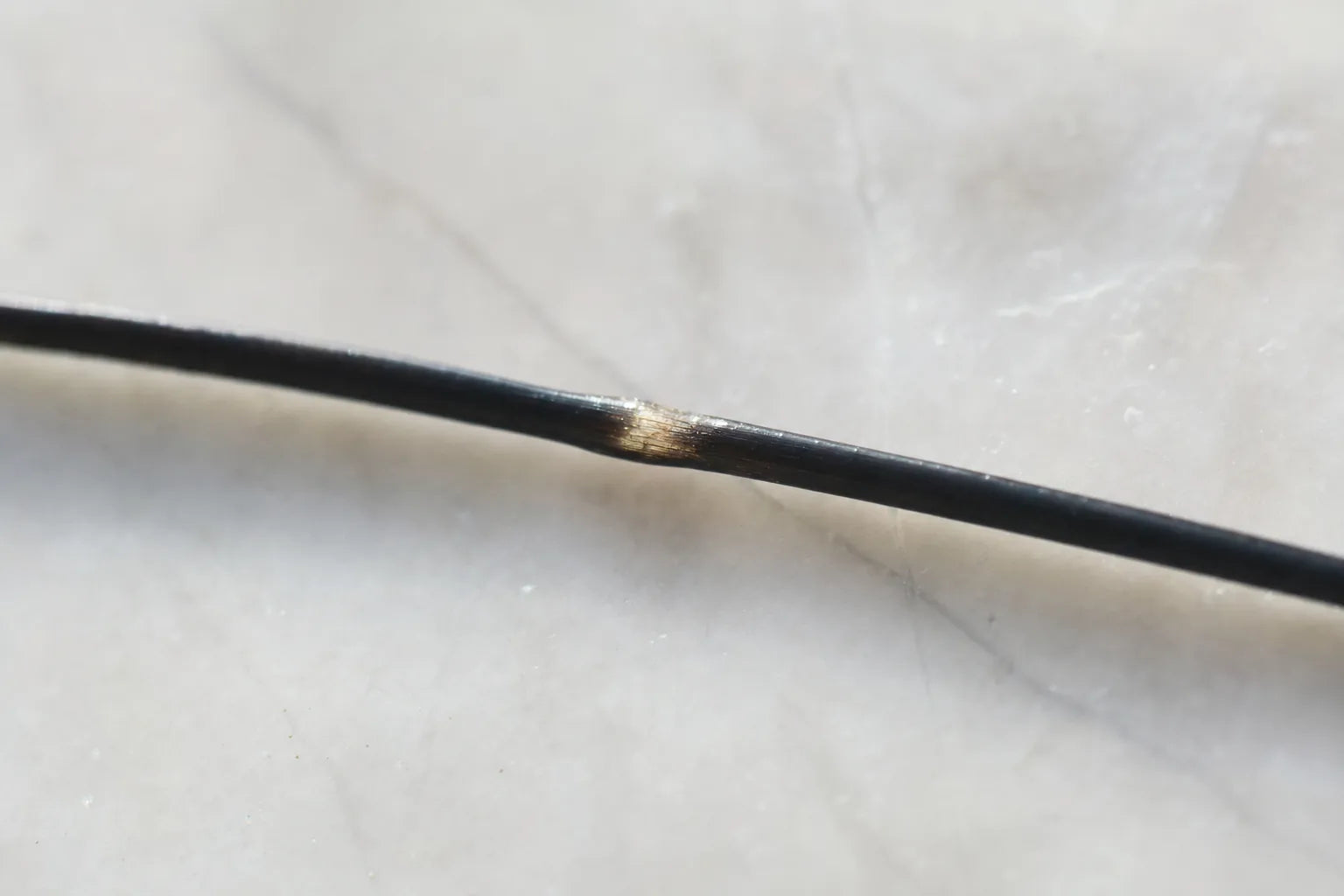
Hair Bond Repair Guide: What Bonds Matter and What Repair Can Mean
A precise guide to hair bonds, disulfide bridges, and how bond repair differs from ANATOMY molecular reconstruction.
Read more about Hair Bond Repair Guide: What Bonds Matter and What Repair Can Mean
Click Chemistry for Haircare, Explained
A plain-English explanation of click chemistry in haircare and how ANATOMY connects the logic to molecular reconstruction.
What ANATOMY's measured strength claim means, how tensile testing works, and why the result is explained as an instrument reading.
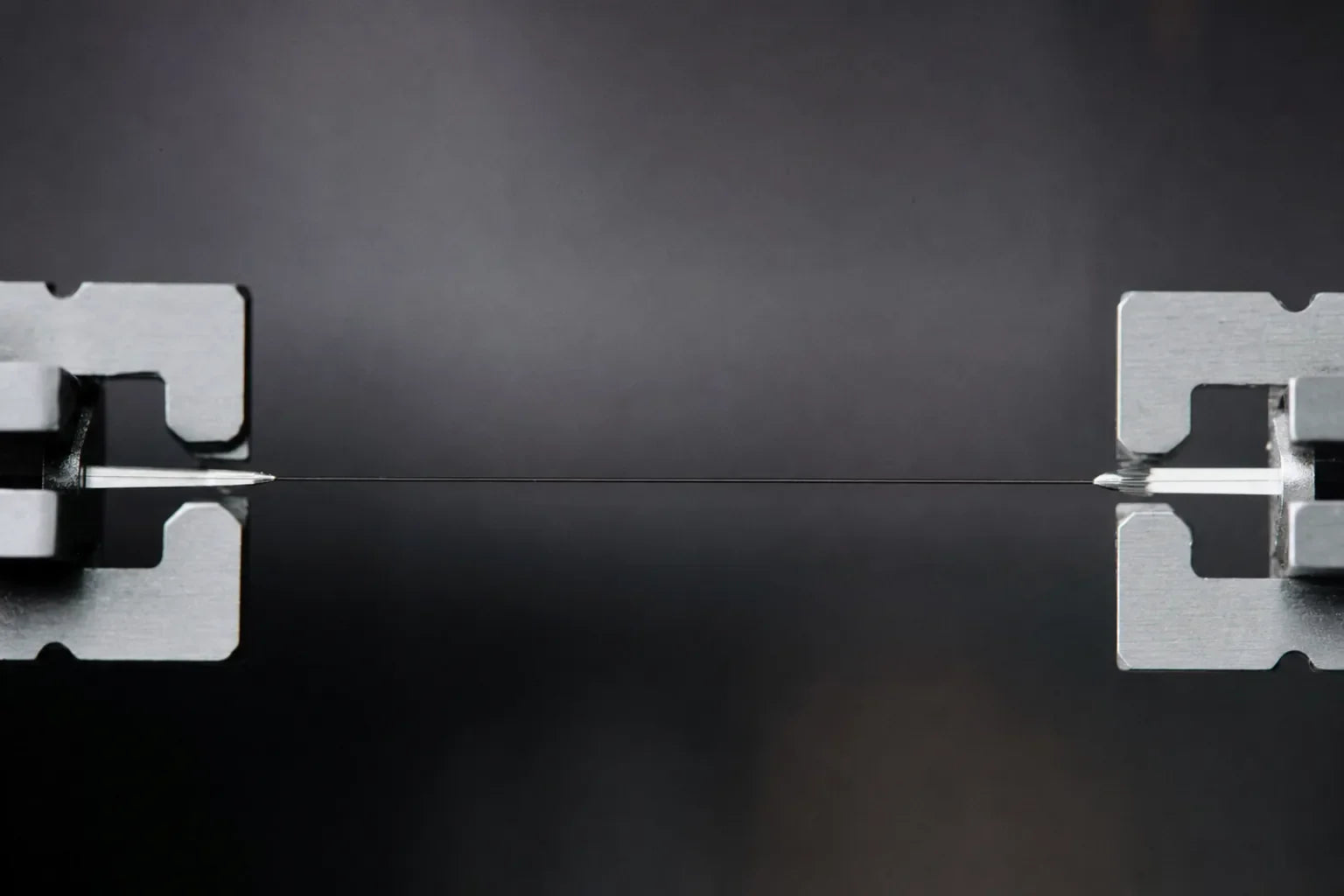
What Is Tensile Testing for Hair?
Tensile testing for hair explained: what is measured, why cross-sectional area matters, and how to interpret pre/post fiber data.
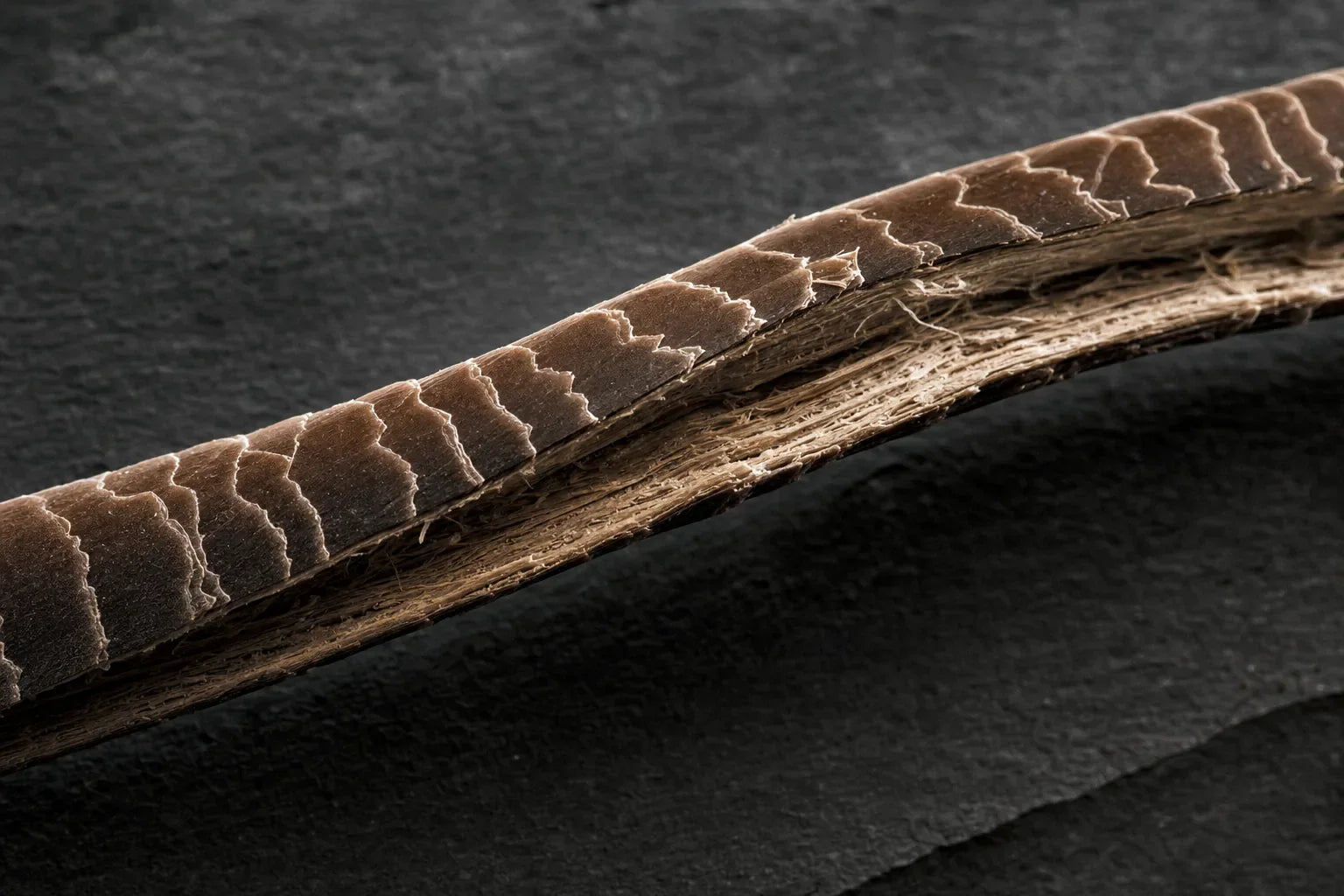
Cuticle vs cortex damage explained: what each layer does, why coatings are limited, and how ANATOMY connects the problem to molecular reconstruction.

Bleached Hair Repair: What Actually Works
A structural guide to bleached hair repair, gummy hair, oxidative damage, and ANATOMY's bundle-first reconstruction protocol.

Why bleached hair feels gummy, what it suggests structurally, what to avoid, and how ANATOMY explains the problem through reconstruction.

Bond Repair vs Molecular Reconstruction
Bond repair vs molecular reconstruction explained through mechanism, proof, and structural sequence.
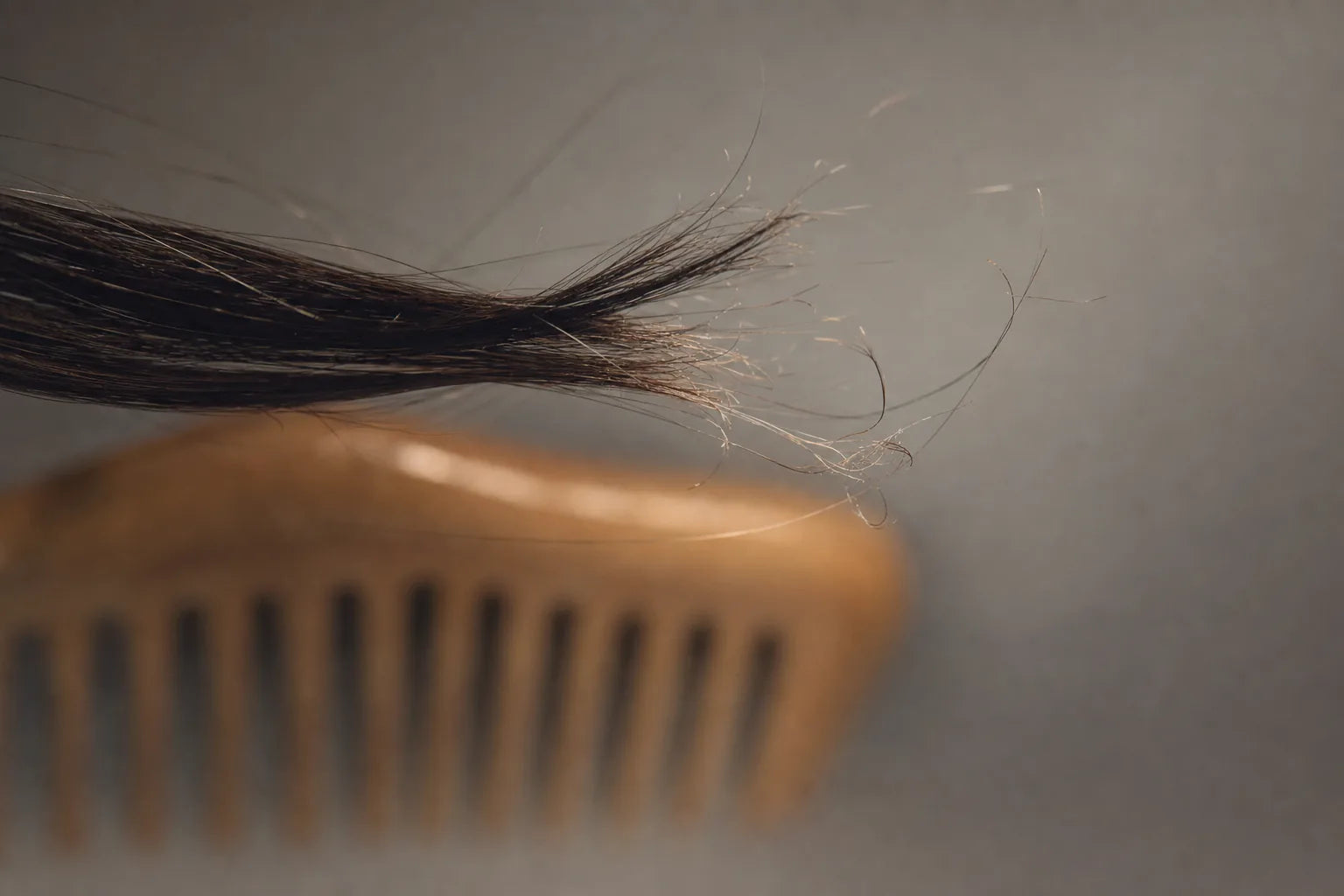
Why Damaged Hair Breaks When Brushed
Why damaged hair breaks during brushing, how cuticle abrasion and cortex weakness interact, and how ANATOMY explains breakage through reconstruction.

Heat Damaged Hair: Surface Feel vs Structure
Heat damaged hair explained as cumulative structural stress, surface behavior, cortex resilience, and Leave-In's role.
Read more about Heat Damaged Hair: Surface Feel vs Structure
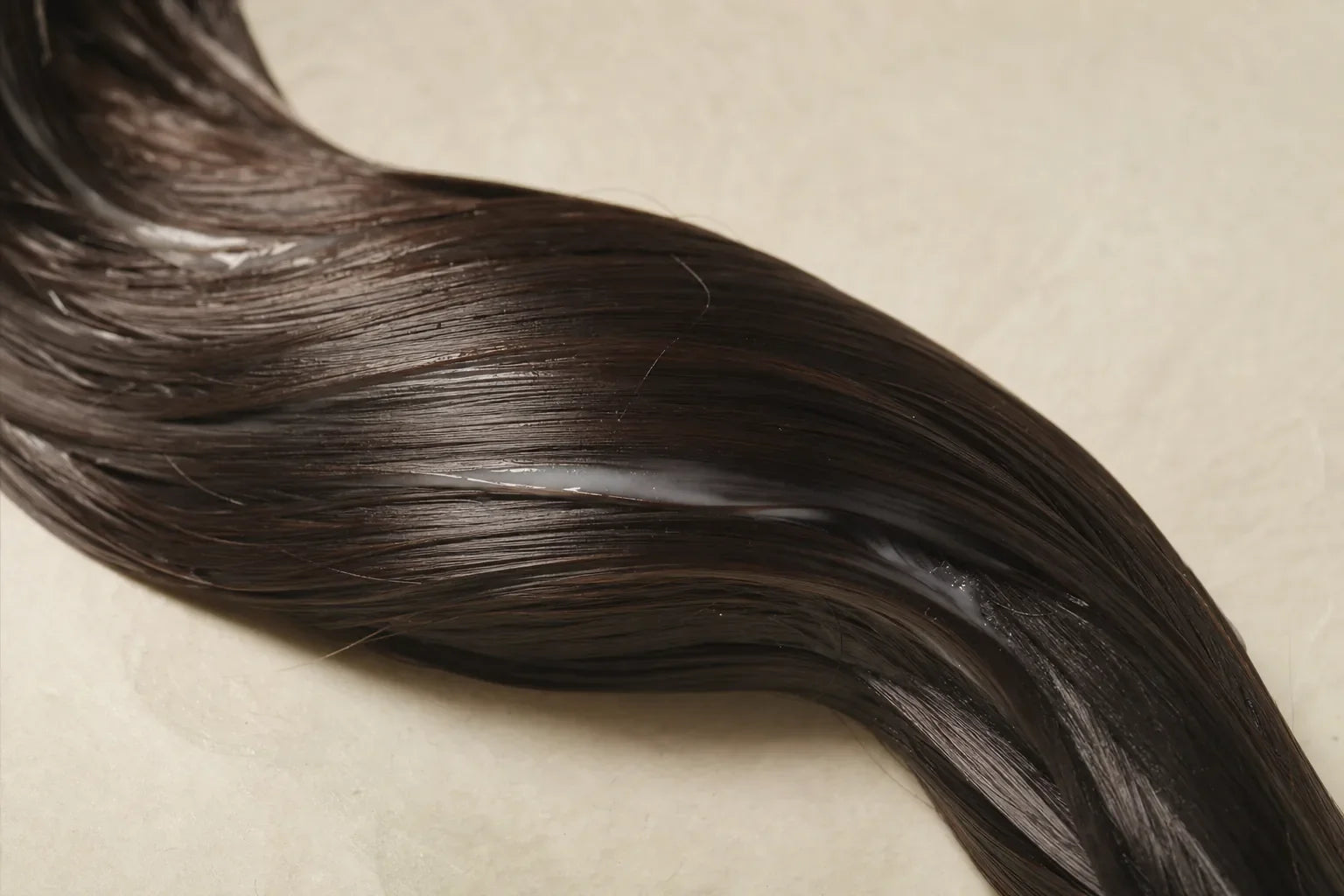
Why the ANATOMY Leave-In Repairs Three Layers, Not One
Read more about Why the ANATOMY Leave-In Repairs Three Layers, Not One
No articles match that filter yet. Try another topic or clear your search.