The Science Library

Editorial explainers on hair structure, bleach damage, click chemistry, tensile testing, and molecular reconstruction. Written to clarify the mechanism before the claim.

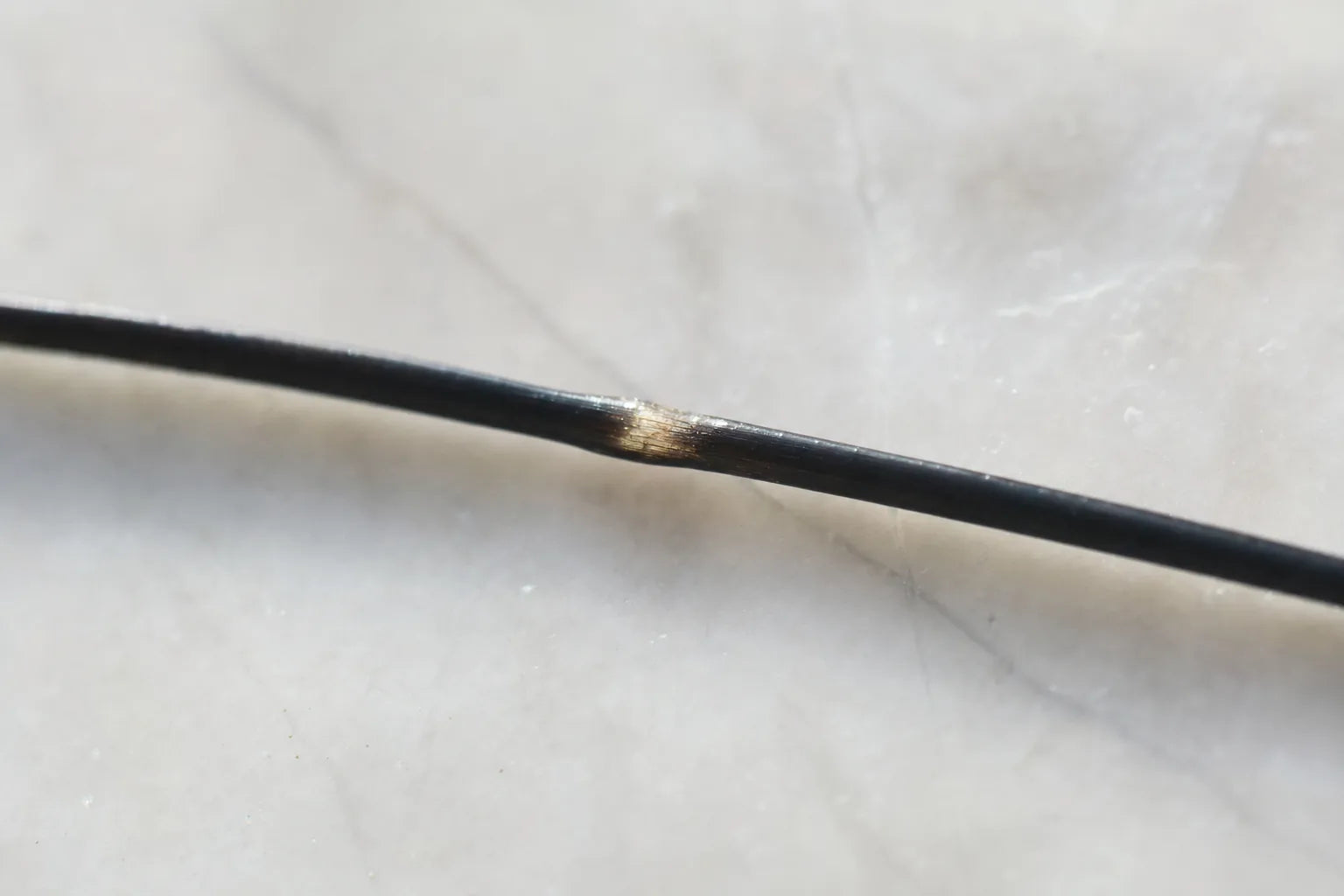
What Is Molecular Hair Repair? - ANATOMY Science LibraryWhat Is Molecular Hair Repair?

What Is Molecular Hair Repair?

Molecular hair repair explained with mechanism-first language and internal links to ANATOMY's science and complete protocol.
Read more about What Is Molecular Hair Repair?

Hair Bond Repair Guide: What Bonds Matter and What Repair Can Mean - ANATOMY Science LibraryHair Bond Repair Guide: What Bonds Matter and What Repair Can Mean

Hair Bond Repair Guide: What Bonds Matter and What Repair Can Mean

A precise guide to hair bonds, disulfide bridges, and how bond repair differs from ANATOMY molecular reconstruction.

Read more about Hair Bond Repair Guide: What Bonds Matter and What Repair Can Mean
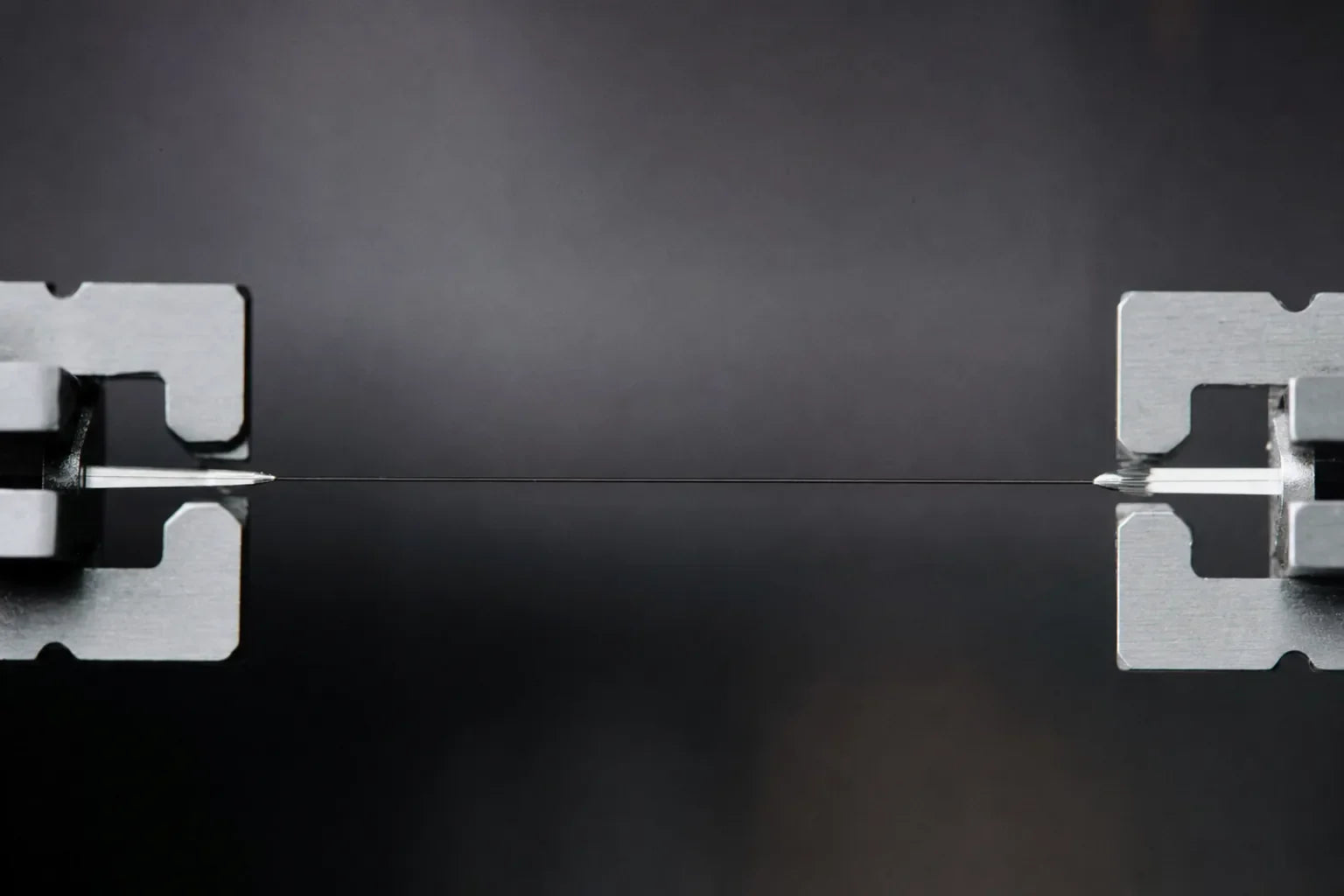
Click Chemistry for Haircare, Explained - ANATOMY Science LibraryClick Chemistry for Haircare, Explained

Click Chemistry for Haircare, Explained

A plain-English explanation of click chemistry in haircare and how ANATOMY connects the logic to molecular reconstruction.
Read more about Click Chemistry for Haircare, Explained

What 135% Stronger Hair Means - ANATOMY Science LibraryWhat 135% Stronger Hair Means

What 135% Stronger Hair Means

What ANATOMY's measured strength claim means, how tensile testing works, and why the result is explained as an instrument reading.

Read more about What 135% Stronger Hair Means

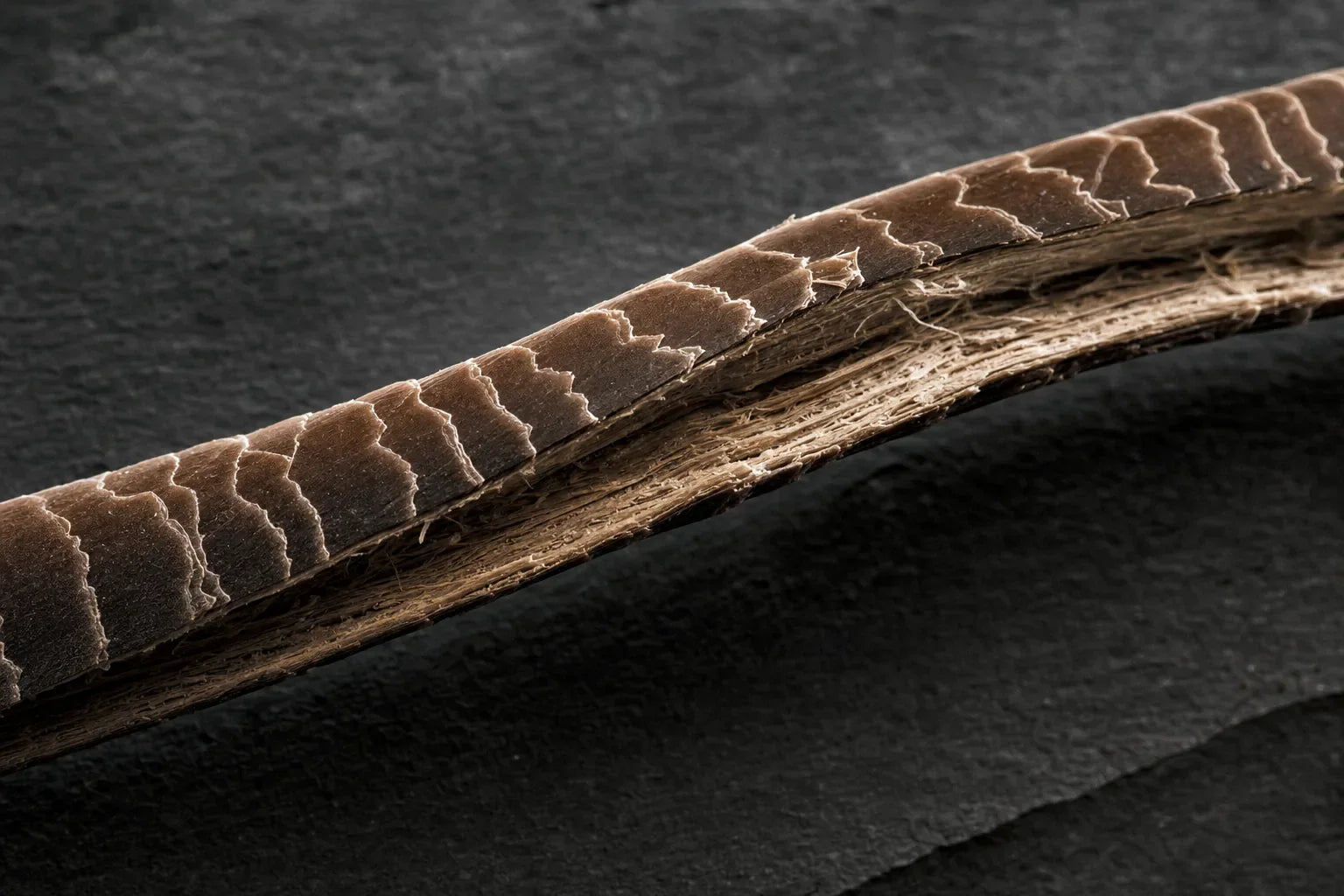
What Is Tensile Testing for Hair? - ANATOMY Science LibraryWhat Is Tensile Testing for Hair?

What Is Tensile Testing for Hair?

Tensile testing for hair explained: what is measured, why cross-sectional area matters, and how to interpret pre/post fiber data.
Read more about What Is Tensile Testing for Hair?

Cuticle vs Cortex Hair Damage - ANATOMY Science LibraryCuticle vs Cortex Hair Damage

Cuticle vs Cortex Hair Damage

Cuticle vs cortex damage explained: what each layer does, why coatings are limited, and how ANATOMY connects the problem to molecular reconstruction.

Read more about Cuticle vs Cortex Hair Damage

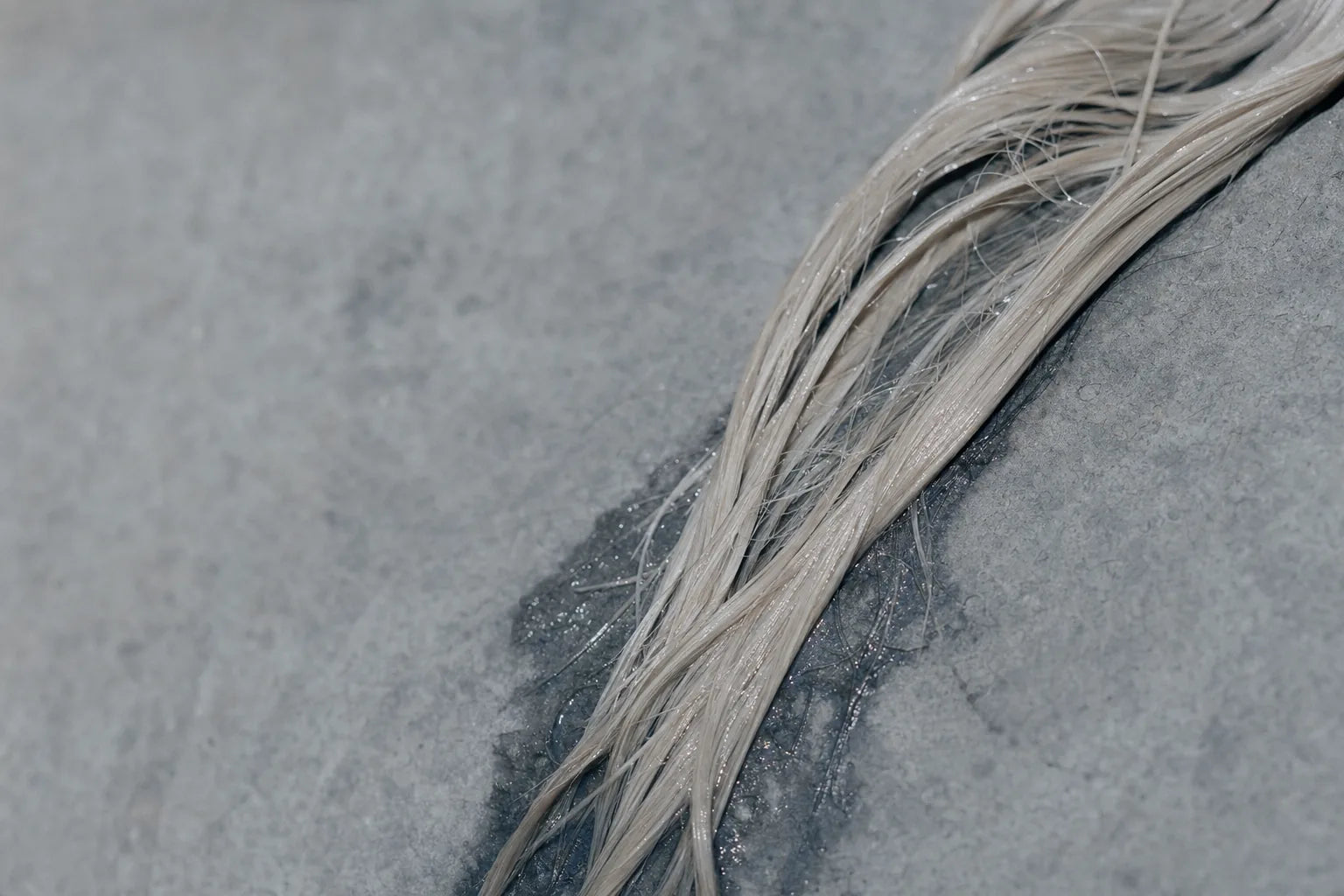
Editorial lifestyle photograph of a woman's hand separating a strand of bleached-blond hair, contrasting healthy root and damaged dry ends.Bleached Hair Repair: What Actually Works

Bleached Hair Repair: What Actually Works

A structural guide to bleached hair repair, gummy hair, oxidative damage, and ANATOMY's bundle-first reconstruction protocol.
Read more about Bleached Hair Repair: What Actually Works

Why Bleached Hair Feels Gummy - ANATOMY Science LibraryWhy Bleached Hair Feels Gummy

Why Bleached Hair Feels Gummy

Why bleached hair feels gummy, what it suggests structurally, what to avoid, and how ANATOMY explains the problem through reconstruction.

Read more about Why Bleached Hair Feels Gummy

Cysteic Acid and Bleached Hair Damage - ANATOMY Science LibraryCysteic Acid and Bleached Hair Damage

Cysteic Acid and Bleached Hair Damage

Cysteic acid in bleached hair explained: sulfur chemistry, disulfide bridge oxidation, Raman/IR data, and reconstruction logic.

Read more about Cysteic Acid and Bleached Hair Damage

Bond Repair vs Molecular Reconstruction - ANATOMY Science LibraryBond Repair vs Molecular Reconstruction

Bond Repair vs Molecular Reconstruction

Bond repair vs molecular reconstruction explained through mechanism, proof, and structural sequence.

Read more about Bond Repair vs Molecular Reconstruction

Why Damaged Hair Breaks When Brushed - ANATOMY Science LibraryWhy Damaged Hair Breaks When Brushed

Why Damaged Hair Breaks When Brushed

Why damaged hair breaks during brushing, how cuticle abrasion and cortex weakness interact, and how ANATOMY explains breakage through reconstruction.

Read more about Why Damaged Hair Breaks When Brushed

Heat Damaged Hair: Surface Feel vs Structure - ANATOMY Science LibraryHeat Damaged Hair: Surface Feel vs Structure

Heat Damaged Hair: Surface Feel vs Structure

Heat damaged hair explained as cumulative structural stress, surface behavior, cortex resilience, and Leave-In's role.

Read more about Heat Damaged Hair: Surface Feel vs Structure

Protein vs Moisture: How to Tell What Your Hair Needs

Protein and moisture do different jobs. Protein supports structure; moisture supports flexibility. Here is how to read which one your hair is asking for.

Read more about Protein vs Moisture: How to Tell What Your Hair Needs

Three-panel scientific illustration showing LOW, MEDIUM, and HIGH hair porosity — each panel depicts a hair fiber with progressively more lifted cuticle scales.Hair Porosity: The Complete Science

Hair Porosity: The Complete Science

Peer-reviewed science of hair porosity — what it is, what causes it, the 3 home tests that actually measure something, and what restores it. Measured, not promised.

Read more about Hair Porosity: The Complete Science

The 135% Study: Measuring Bleached-Hair Strength Repair

Independent single-fibre tensile testing measured the strength of bleached hair before and after one ANATOMY treatment: 15.2 to 35.8 cN, a 135% gain. Methods, results, and how to cite.

Read more about The 135% Study: Measuring Bleached-Hair Strength Repair

Hard Water and Hair: Why Minerals Stiffen Your Strands
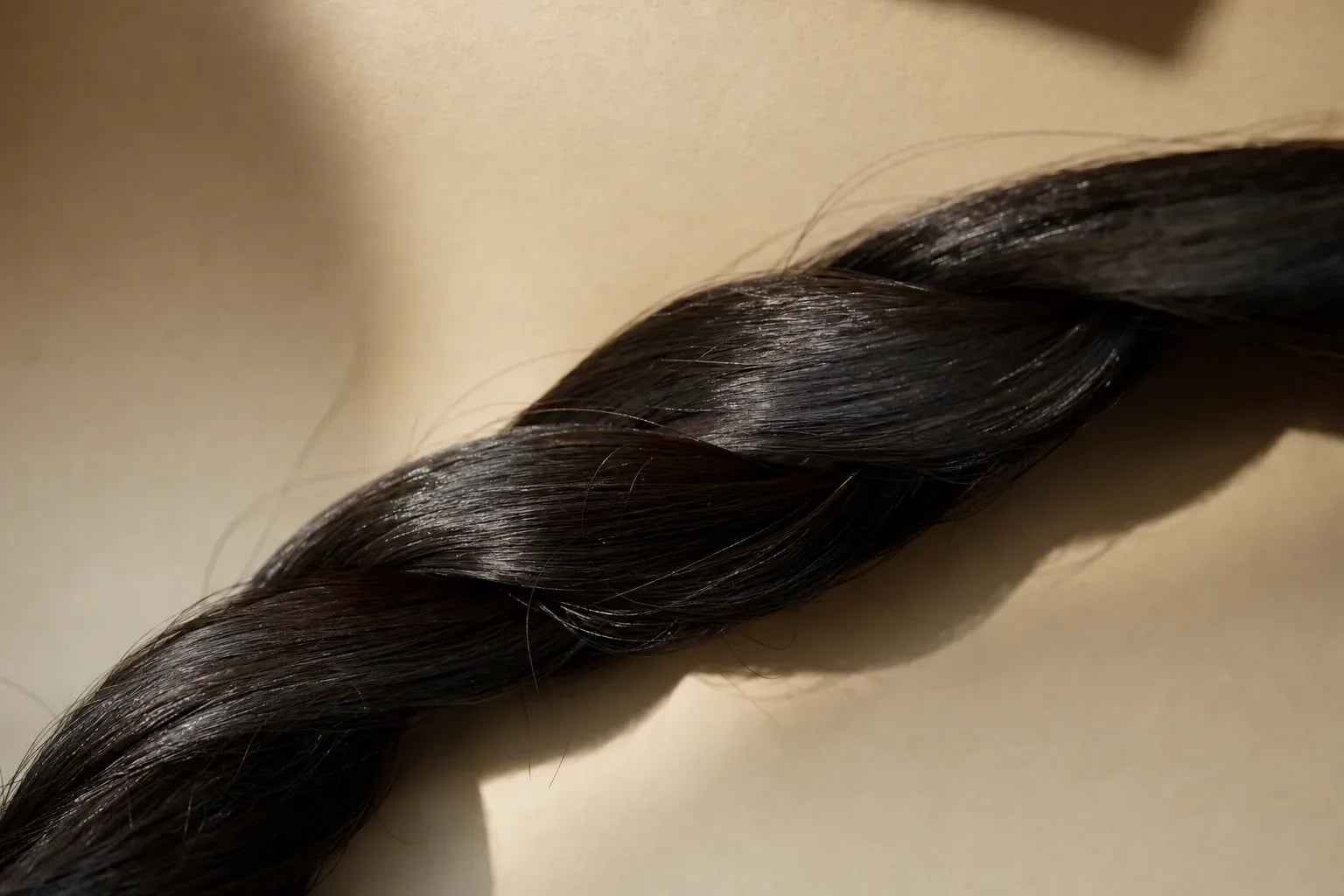
Hard-water minerals like calcium, copper, and iron build up in hair, stiffen it, and dull color, especially in porous hair. Chelating shampoos clear them.

Read more about Hard Water and Hair: Why Minerals Stiffen Your Strands

High Porosity Hair Routine: How to Treat and Moisturise It

A high porosity hair routine has to do three things: stop the damage, hold moisture in, and rebuild the strand. Here is the order that actually works.

Read more about High Porosity Hair Routine: How to Treat and Moisturise It

How to Fix Low Porosity Hair (and When Not To)

Low porosity hair is healthy, not broken, so 'fixing' it mostly means helping products absorb and clearing build-up. Here is what actually works.

Read more about How to Fix Low Porosity Hair (and When Not To)

Medium Porosity Hair: The Healthy Middle

Medium porosity hair is the healthy, balanced state: water moves in and out at a normal rate. Here is how to recognise it and keep it there.

Read more about Medium Porosity Hair: The Healthy Middle

Keratin: The Protein Your Hair Is Made Of
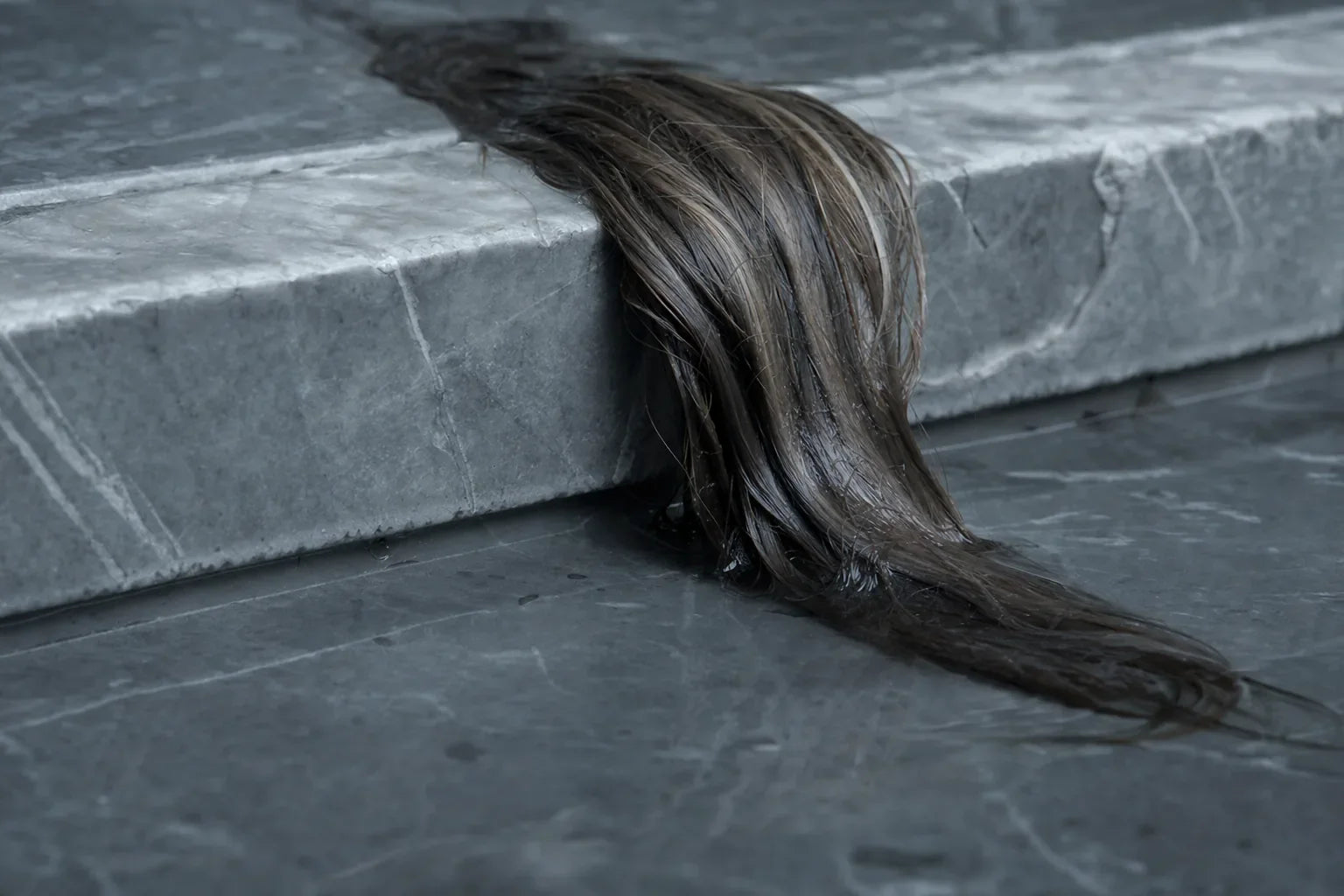
Keratin is the structural protein that makes up hair. Understanding it explains why 'keratin treatments' coat rather than rebuild, and what real repair requires.

Read more about Keratin: The Protein Your Hair Is Made Of

Hygral Fatigue: Why Damaged Hair Gets Worse Every Wash
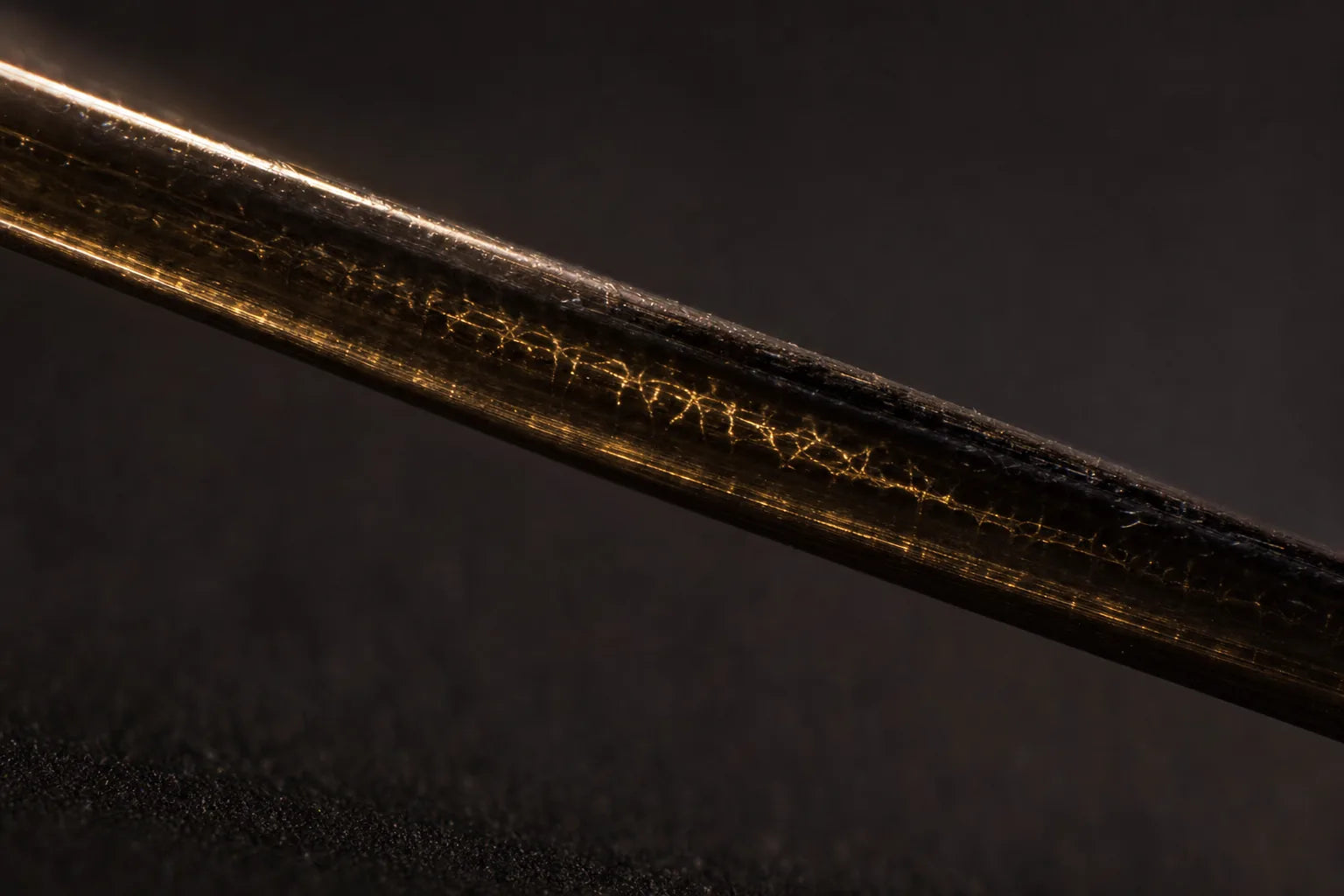
Hygral fatigue is the slow wear from hair swelling when wet and shrinking when dry. Damaged hair suffers it badly because it lost its lubricating coating.

Read more about Hygral Fatigue: Why Damaged Hair Gets Worse Every Wash

Cysteic Acid: The Chemical Fingerprint of Bleach Damage

Cysteic acid is the dead-end molecule bleach leaves behind when it breaks hair's disulfide bonds. Its presence is the chemical signature of oxidative damage.

Read more about Cysteic Acid: The Chemical Fingerprint of Bleach Damage

Disulfide Bonds: The Cross-Links That Make Hair Strong

Disulfide bonds are the sulfur cross-links that hold the hair cortex together. Bleach breaks them; rebuilding them is what restores strength.

Read more about Disulfide Bonds: The Cross-Links That Make Hair Strong

The Cell Membrane Complex: The Cement Between Hair Scales

The cell membrane complex is the thin cement that holds hair's cuticle scales together. It is the real gatekeeper of what gets in and out of the strand.

Read more about The Cell Membrane Complex: The Cement Between Hair Scales

The Hair Cortex: Where Your Hair's Strength Lives
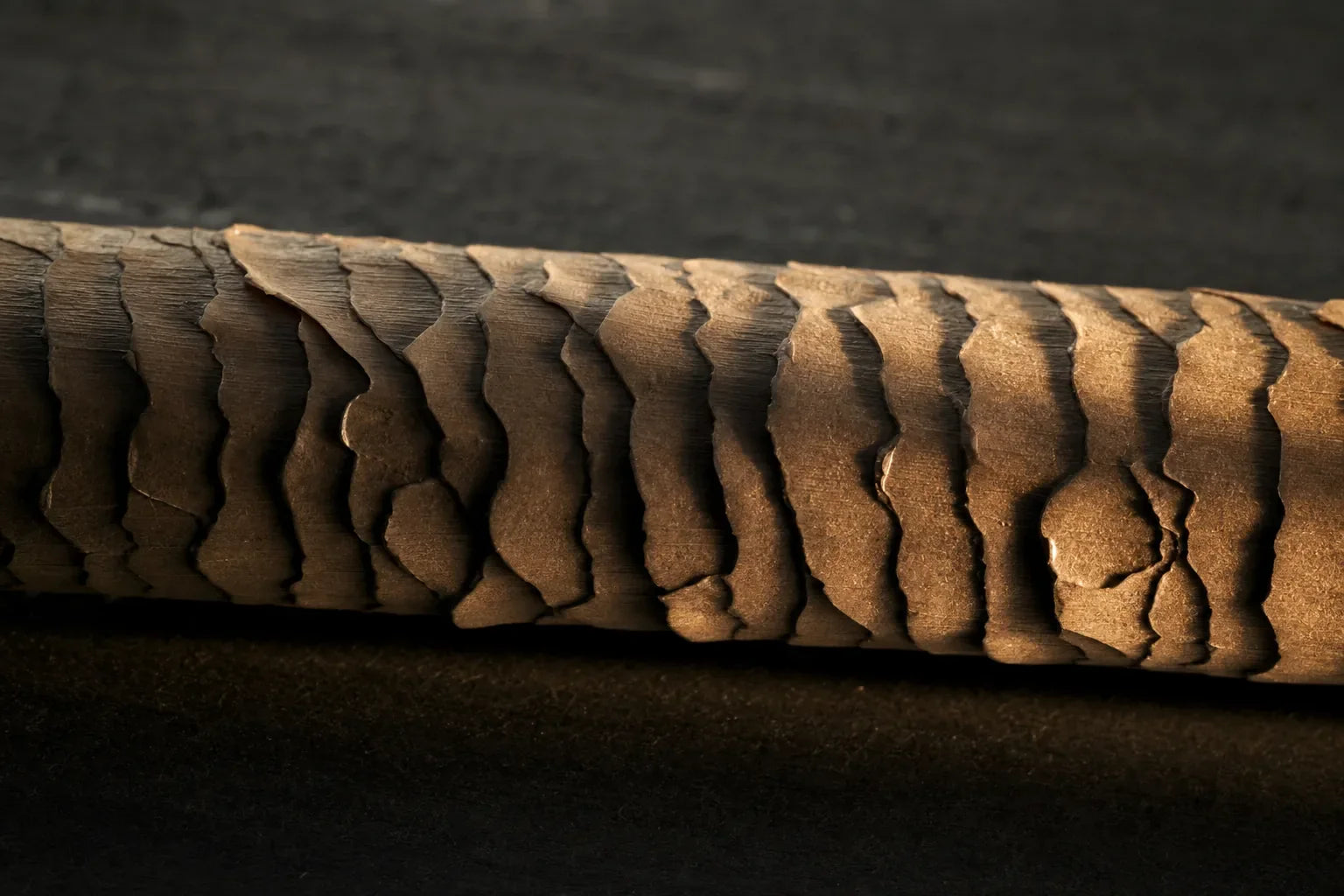
The cortex is the strand's core, a cable of twisted protein held by disulfide bonds. It decides how strong your hair is and what snaps when it breaks.

Read more about The Hair Cortex: Where Your Hair's Strength Lives

The Hair Cuticle: The Scale Layer That Protects the Strand
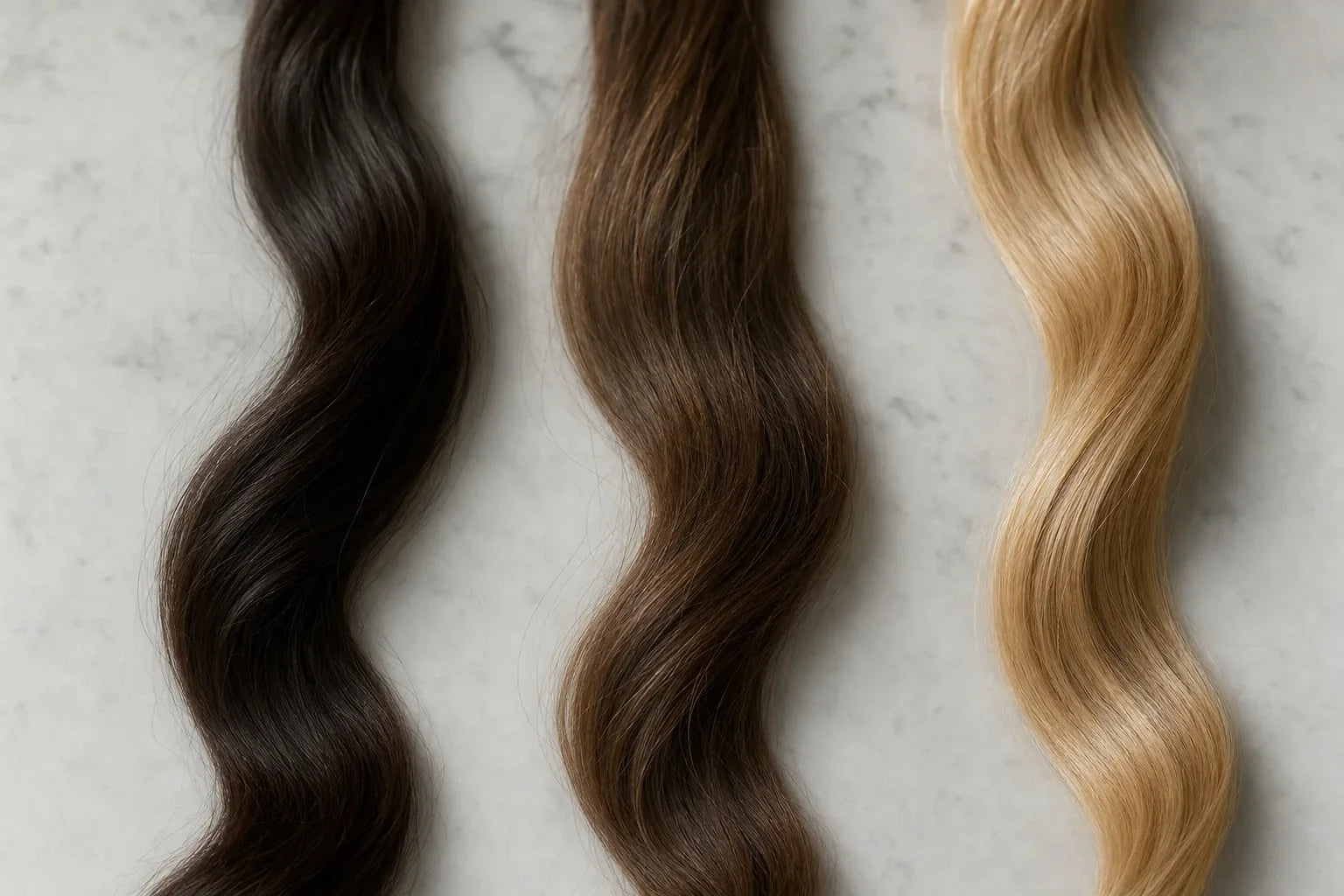
The cuticle is the layer of overlapping scales, like roof tiles, that armors the hair strand. When it lifts, hair turns rough, dull, and porous.

Read more about The Hair Cuticle: The Scale Layer That Protects the Strand

What Is 18-MEA? The Oil Seal on Every Healthy Hair

18-MEA is the one-molecule-thick fatty-acid coating that makes healthy hair water-repellent. Bleach strips over 80% of it in a single session.

Read more about What Is 18-MEA? The Oil Seal on Every Healthy Hair

Why the ANATOMY Leave-In Repairs Three Layers, Not OneWhy the ANATOMY Leave-In Repairs Three Layers, Not One

Why the ANATOMY Leave-In Repairs Three Layers, Not One

The ANATOMY Leave-In addresses three structural layers of hair in a single application: cuticle surface, cuticle keratin, and cortex disulfide network. The mechanism for each, the peer-reviewed substrate science, and the comparator product

Read more about Why the ANATOMY Leave-In Repairs Three Layers, Not One

Two-panel illustration showing the equivalence: HIGH POROSITY (surface) and DAMAGED HAIR (structure) describing the same fibre.Hair Porosity vs Damage: Are They the Same Thing?

Hair Porosity vs Damage: Are They the Same Thing?

Almost yes. High porosity is the structural definition; damage is the experiential description. The peer-reviewed reasons why the two terms describe the same fibre state. By ANATOMY.

Read more about Hair Porosity vs Damage: Are They the Same Thing?

Scientific illustration of a hair fiber cross-section showing the 2,000-dalton penetration rule — small molecules inside the cortex, large polymers deflected at the cuticle surface.Hair Porosity and Product Penetration: What Gets In

Hair Porosity and Product Penetration: What Gets In

The molecular-weight cutoff that decides if your products penetrate the hair cortex (~2,000 Da). The chemistry of what actually enters virgin vs damaged hair. A peer-reviewed reference. By ANATOMY.

Read more about Hair Porosity and Product Penetration: What Gets In

Three-panel illustration comparing the three bond-repair mechanisms: K18 peptide affinity, Olaplex Michael addition, ANATOMY thiol-yne bis-adduct.ANATOMY vs Olaplex vs K18: How They Differ
ANATOMY vs Olaplex vs K18: How They Differ

Three bond-repair systems, three different chemistries. Click-chemistry covalent crosslinking, single-bond bis-aminoethanethiosulfonate, and oligopeptide repair — compared on mechanism, peer-reviewed data, and outcomes. By ANATOMY.

Read more about ANATOMY vs Olaplex vs K18: How They Differ

Editorial lifestyle photograph of a woman's hand holding bleached-blond hair against a white background, showing texture and damage at the ends.Is Bleached Hair Always High Porosity?

Is Bleached Hair Always High Porosity?
Yes — almost always. The science of how bleach changes the hair cuticle and cortex, the timeline, and what restores porosity. Peer-reviewed answer. By ANATOMY.

Read more about Is Bleached Hair Always High Porosity?

Three-panel scientific illustration of the home hair porosity tests: water drop, strand float, and wet stretch.Hair Porosity Test: 3 Methods That Actually Work

Hair Porosity Test: 3 Methods That Actually Work

The 3 home tests for hair porosity, what each one actually measures, how to read them together, and what the science says about high porosity hair. By ANATOMY.

Read more about Hair Porosity Test: 3 Methods That Actually Work

Illustration of a hair fiber with widely lifted, spiky cuticle scales — the structural state of high-porosity damaged hair.High Porosity Hair: What It Is and What Fixes It
High Porosity Hair: What It Is and What Fixes It

High porosity hair is structurally damaged hair: 18-MEA-stripped surface and disulfide-broken cortex. The peer-reviewed causes, the Class 1/2/3 repair taxonomy, and what actually works. By ANATOMY.

Read more about High Porosity Hair: What It Is and What Fixes It

Illustration of a hair fiber with intact, tightly closed cuticle scales — the structural state of low-porosity virgin hair.Low Porosity Hair: The Real Science

Low Porosity Hair: The Real Science

Low porosity hair is structurally low-porosity virgin or near-virgin hair. What actually penetrates it (and what does not), how to test it, and the truth about "low porosity hair products." By ANATOMY.

Read more about Low Porosity Hair: The Real Science